



Last month, my friend applied for a ₱50,000 personal loan at CIMB Bank and got rejected. She was confused because she thought she had a good financial record. Little did she know, her recent engagement with digital financial tools, specifically the burgeoning GCash investment growth, might be a key factor in how lenders now view her financial health.
By Zia Tan, Philippines Fintech Industry Analyst at Credit Kaagapay
Updated April 2026
Key Takeaways
- GCash reports a significant uptick in users engaging with its micro-investment products.
- This surge in GCash investment growth suggests a growing Filipino appetite for accessible digital financial tools.
- For borrowers, this can translate into improved creditworthiness and more loan options.
- Understanding your credit score is crucial in this evolving financial landscape.
- Lenders are increasingly looking at digital footprints to assess risk.

The Rise of Digital Investment: What the GCash News Means
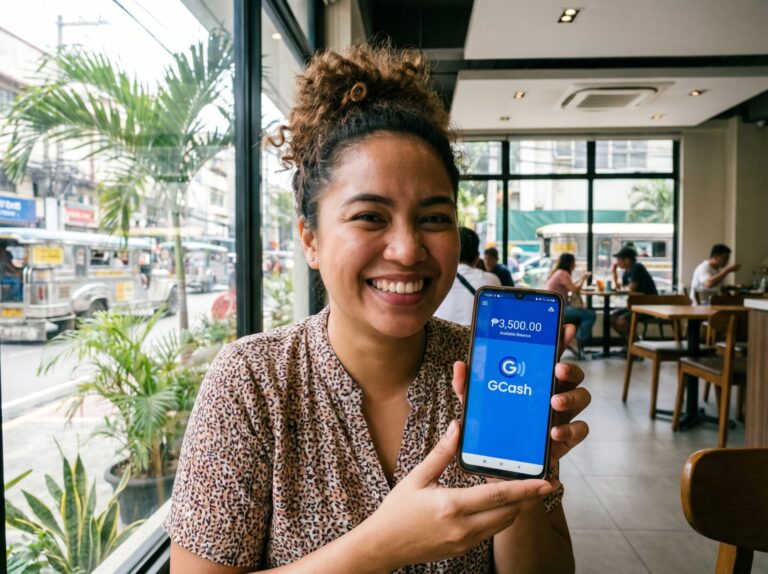
You might have seen the headlines: GCash, the undisputed king of mobile wallets in the Philippines, is seeing a massive surge in users diving into its micro-investment products. This isn’t just about people putting spare change into digital funds; it’s a clear indicator that Filipinos are becoming more comfortable and proactive with managing their money digitally. This phenomenon, often referred to as GCash investment growth, is more than just a trend; it’s a fundamental shift in how we interact with our finances.
For us, the everyday Filipino, this news from GCash is super relevant. It signals a growing financial literacy and a willingness to explore investment options beyond traditional savings accounts. This increased engagement with digital financial tools is exactly what lenders look for. It suggests responsibility, a forward-thinking mindset, and a more robust financial history than someone who only uses their account for basic transactions.

How GCash Investment Growth Impacts Your Loan Eligibility
So, how does your small investment in GCash GInvest or similar products actually help you when you need a personal loan? Lenders, especially digital lenders and even traditional banks, are increasingly using alternative data to assess your creditworthiness. Your transaction history on GCash, including your consistent investment activities, builds a digital footprint that can be a positive signal.
Think about it: regularly investing, even small amounts, shows discipline. It demonstrates that you have funds available beyond immediate expenses and that you’re actively trying to grow your wealth. This can be interpreted by lenders as a lower risk for default. This is why understanding your credit score vs credit report is so important; your digital activities contribute to this overall financial picture.
Pro Tip: Make sure your GCash account is consistently active and linked to legitimate financial activities. This includes paying bills on time and, of course, participating in micro-investment products. This consistent activity can strengthen your financial profile.
For instance, if you’re looking for a ₱20,000 loan for an emergency, and your GCash history shows regular small investments and timely bill payments, you’re likely to have a better chance of approval than someone with a dormant account or a history of late payments. This positive engagement with financial tools is a key component of what lenders are now evaluating.
Understanding Loan Rates and Options in 2026
With the growing adoption of digital financial tools, we’re seeing more competitive loan offerings. Lenders are keen to attract users who demonstrate financial savviness. For personal loans, rates can vary widely. For example, a reputable bank like BPI might offer personal loan rates starting from around 10.00% per annum for well-qualified borrowers with a strong credit history. Meanwhile, some online lending platforms, which often rely heavily on digital data, might offer rates ranging from 1.5% to 5% per month, which can translate to higher annual percentage rates (APRs) if not managed carefully.
Here’s a quick look at some potential loan options and their indicative rates as of April 2026:
| Lender Type | Indicative Interest Rate (Per Month) | Loan Amount Range (₱) | Notes |
|---|---|---|---|
| Traditional Banks (e.g., BPI, Security Bank) | 0.8% – 2% (approx. 10%-24% p.a.) | ₱10,000 – ₱2,000,000 | Requires good credit score, stable income, often payslips. |
| Digital Banks (e.g., CIMB, Tonik) | 1% – 3% (approx. 12%-36% p.a.) | ₱5,000 – ₱500,000 | Often faster approval, may use alternative data. |
| Online Lending Apps (Registered) | 2% – 5%+ (can be 24%-60%+ p.a.) | ₱1,000 – ₱50,000 | Quickest approval, but highest rates. Ensure they are SEC-registered to avoid online lending scams. |
The increasing GCash investment growth can contribute positively to your eligibility for these loans, potentially leading to better rates and terms, especially from digital banks and newer fintech lenders who are more attuned to these digital financial behaviors.

Leveraging Your Digital Financial Habits for Better Loans
It’s not just about having money in your GCash wallet; it’s about how you use it. The news about GCash investment growth highlights a broader trend: lenders are increasingly looking at your digital financial footprint as a proxy for your financial discipline and creditworthiness. This means that even if you don’t have a traditional credit card or a long history with banks, your consistent and responsible use of platforms like GCash can significantly boost your chances of loan approval.
For borrowers, this is fantastic news! It democratizes access to credit. You can actively build a positive financial profile by simply engaging with digital financial tools responsibly. Don’t underestimate the power of a well-managed digital wallet and consistent micro-investments when applying for your next loan. It’s about showing lenders that you are financially engaged and responsible.
Pro Tip: When applying for a loan, be prepared to share relevant information about your GCash activity if requested. This can include screenshots of your investment portfolio or transaction history, provided it’s done securely and with your consent.
Remember, your CIC credit report is still a primary document, but digital engagement is becoming a powerful supplementary factor. The more you demonstrate financial responsibility digitally, the stronger your overall creditworthiness becomes.
What happens if I can’t repay my GCash investment growth on time?
If you’re referring to loans taken out *after* demonstrating GCash investment growth, the consequences are similar to any loan default. Your credit score will be negatively impacted, making it harder to secure future loans. Late fees and penalties will also apply. It’s crucial to only borrow what you can realistically repay. If you’re struggling, contact your lender immediately to discuss options.
Is it safe to apply for loans online in the Philippines?
Yes, it can be safe, but you must be vigilant. Always ensure the lending company is registered with the SEC. Look for reviews, understand the terms and conditions thoroughly, and never share sensitive information with unverified sources. Platforms like Credit Kaagapay can help you find legitimate lenders. Be wary of unsolicited loan offers and those with extremely low requirements or unusually high promises.
Can I get a loan without a payslip in the Philippines?
It’s challenging but not impossible to get a loan without a traditional payslip. Some lenders, especially digital banks and online lending apps, may accept alternative proof of income. This could include bank statements showing regular income, income from freelance work, business permits, or even consistent transaction history on platforms like GCash, which can sometimes be used to demonstrate cash flow. Your overall financial behavior, including your credit card rewards usage if applicable, also plays a role.
Before You Apply — Check Your Credit Score for FREE
Don’t get rejected. Know your CIC credit score first with Credit Kaagapay — 100% free, no hidden fees.
Disclaimer: Always verify loan terms directly with the lender. Check that any lending company is registered with the SEC before applying. Rates and requirements may change — this guide was last updated April 2026.




Billie3170
https://shorturl.fm/FPQNl
Iris3296
https://shorturl.fm/QQyAv