



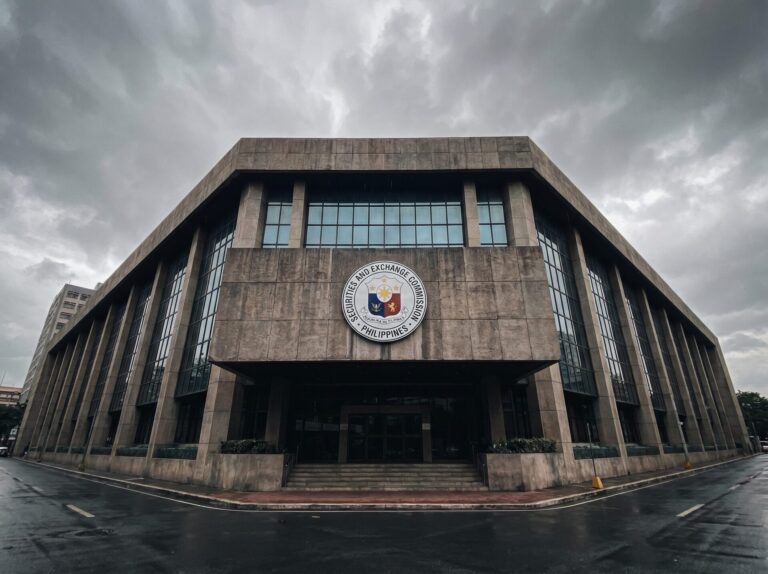
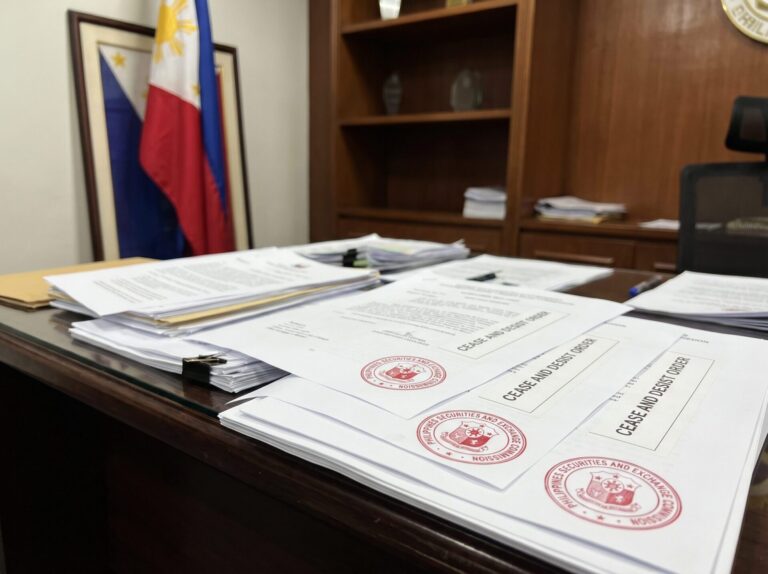
Kumusta, Kaagapay! Let’s talk about something super important that’s been making waves lately: the sec illegal lender crackdown. You’ve probably seen the news – the Securities and Exchange Commission (SEC) is really stepping up its game to catch and prosecute those shady online lending operations that are preying on Filipinos.
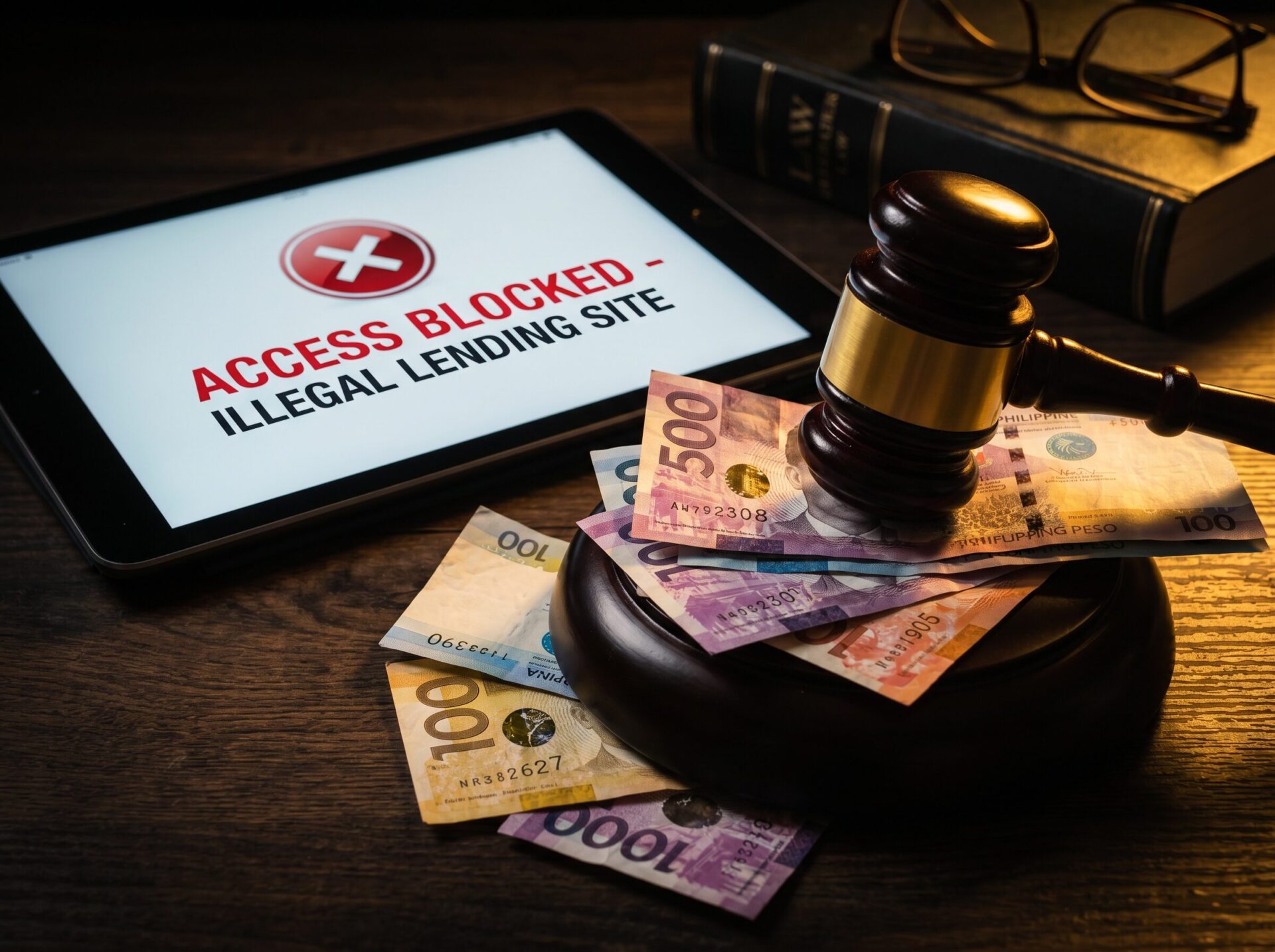
This isn’t just some abstract government action; it has real-world consequences for all of us looking for quick cash, whether it’s for an emergency repair, a medical bill, or just to bridge the gap until payday. The SEC’s announcement means they’re serious about protecting you from exorbitant interest rates, abusive collection tactics, and outright scams that have become all too common. If you’re thinking about taking out a loan, especially an online personal loan, it’s crucial to know what’s happening and how to protect yourself.
By Zia Tan, Philippines Fintech Industry Analyst at Credit Kaagapay | Updated April 2026
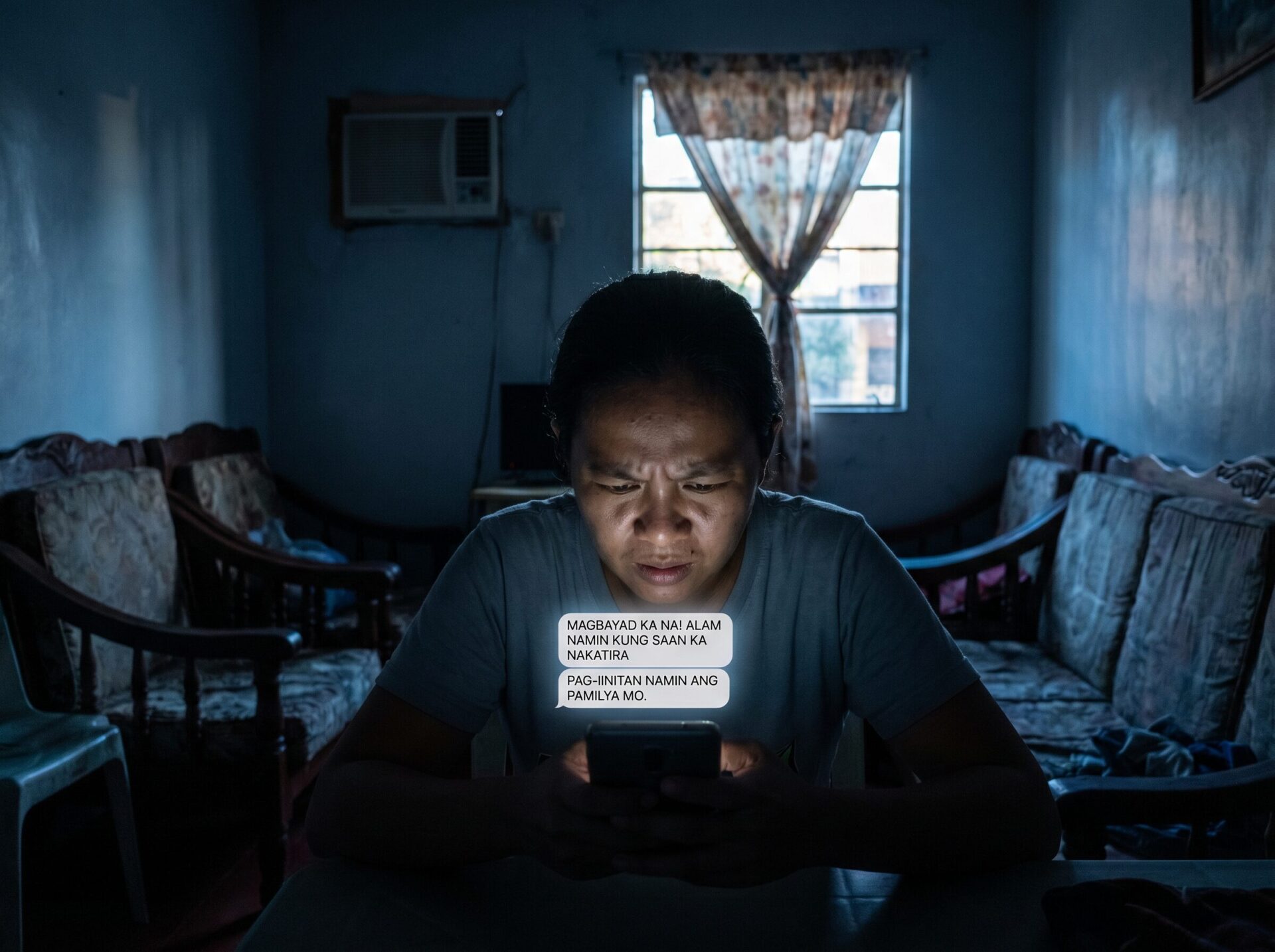
How does the SEC crackdown on illegal lenders affect loan availability for Filipinos?
This crackdown might make it seem harder to get a loan, especially if you’re used to the instant, no-questions-asked approach of some online platforms. Legitimate lenders, who follow SEC regulations, will likely have more robust verification processes. This means you might need to provide more documentation, and approval might not be instant. However, this is a good thing in the long run! It weeds out the risky players and encourages a healthier lending environment. For example, while a questionable online lender might offer ₱5,000 instantly with crazy interest, a SEC-registered company might take a day or two but offer you a much more manageable loan with fair terms.
What are the penalties for illegal lending in the Philippines according to SEC?
The SEC isn’t playing around. For unregistered lending operations and individuals engaging in illegal lending, the penalties can be severe. We’re talking about hefty fines, imprisonment, and the revocation of any licenses they might have fraudulently obtained. The SEC’s revised Lending Company Regulation Act of 2023 (Republic Act No. 11972) imposes stricter sanctions. This ensures that those who try to exploit borrowers face serious consequences, making the lending landscape safer for everyone.
What is the best way to check if a lending company in the Philippines is legit and SEC accredited?
This is probably the most important question you can ask right now! The SEC provides an official list of registered lending companies on their website. You can directly visit the SEC website and navigate to their official directory of registered lending and financing companies. Always look for their Certificate of Registration and, if applicable, their Secondary License. If a company can’t provide this information or seems hesitant, that’s a major red flag. Don’t just take their word for it; verify it yourself!
Where can I find SEC-registered lending companies in the Philippines?
As mentioned, the SEC’s official website is your go-to resource. They maintain an updated list of all lending and financing companies that have complied with their registration requirements. This list is your best friend when you’re trying to find legitimate options. You can also often find information about a company’s registration through their official app or website, but always cross-reference with the SEC’s database to be absolutely sure. Don’t rely solely on advertisements you see on social media or through text messages.
Ready to Apply? Check Your Approval Odds First
Know your CIC credit score before applying — 100% free with Credit Kaagapay.
How to report illegal lenders in the Philippines to SEC?
If you’ve encountered an illegal lender or have been a victim of their predatory practices, you can and should report them to the SEC. You can file a formal complaint through the SEC’s official complaint portal or visit one of their satellite offices. Provide as much evidence as possible, such as screenshots of conversations, loan agreements, and proof of exorbitant interest rates. Your report can help the SEC take action and prevent others from suffering the same fate. This is a crucial step in cleaning up the financial ecosystem.
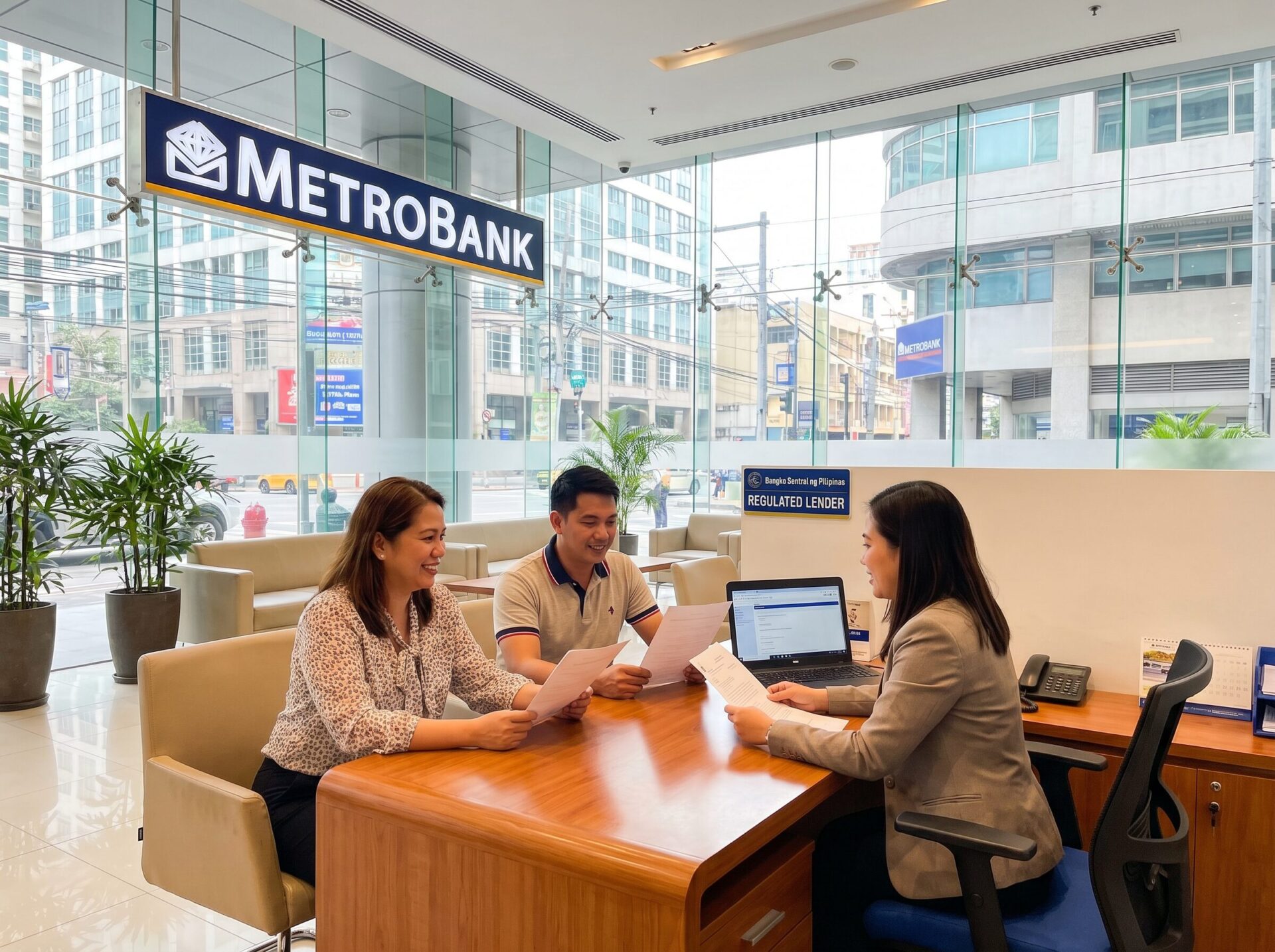
Is it safe to borrow money from lenders advertised on GCash or Maya if they are not SEC registered?
This is a tricky one. While GCash and Maya are legitimate platforms, they can be used by various third-party lenders. Just because a lender is advertised on these popular apps doesn’t automatically mean they are SEC-registered or operate ethically. Many online lending scams operate through these channels. Always, always, always verify their SEC registration independently. If a lender on GCash or Maya can’t provide their SEC registration number or refuses to show it, steer clear. Your safety and your credit score are too important.
Can I get a loan from a legit lender if I was scammed by an illegal one in the Philippines?
Absolutely! Being scammed by an illegal lender doesn’t automatically disqualify you from getting a legitimate loan. However, it might make the process a bit more challenging. If the illegal lender reported false information or if you had to take out another loan to cover the debts from the scam, it could negatively impact your credit history. The best approach is to first report the illegal lender to the SEC. Then, focus on improving your financial standing. Understanding your credit score and report through services like Credit Kaagapay can help you identify areas for improvement and show legitimate lenders you’re a responsible borrower.
What are the requirements for a legitimate personal loan from a SEC-registered company in the Philippines?
Legitimate SEC-registered lenders will typically ask for a few standard requirements to assess your ability to repay. This usually includes proof of identity (like a government-issued ID), proof of income (like payslips, bank statements, or an income tax return), and sometimes proof of address. Some might also ask for your employment details or business registration if you’re self-employed. The exact requirements can vary, but they are generally designed to ensure you can handle the loan payments. For instance, you might need to show a stable income of at least ₱15,000 per month for a ₱20,000 loan.
How fast can I get a loan from a SEC-approved lender in the Philippines?
This varies significantly. Some SEC-approved online lenders can disburse funds within hours, similar to what you might expect from less regulated platforms, especially for smaller loan amounts (e.g., ₱3,000 to ₱10,000). Others, particularly traditional banks or larger lending institutions, might take 1-3 business days to process and approve your application, especially for larger amounts like ₱50,000 or more. The speed often depends on the completeness of your application, your creditworthiness, and the lender’s internal processes. Always check the estimated processing time before applying.
How much can I borrow from a SEC-licensed lending company in the Philippines?
The loanable amount from a SEC-licensed lending company depends on several factors, including your income, credit history, the lender’s policies, and the loan product itself. For new borrowers or those with lower credit scores, loan amounts might start from as low as ₱1,000 or ₱2,000. For individuals with a good financial track record and stable income, it’s possible to borrow anywhere from ₱10,000 to ₱50,000 or even higher. Some specialized lenders might offer larger amounts, but these typically require more stringent checks and collateral.
| Lender Type | Estimated Loan Amount | Interest Rate (Per Month) | Processing Time | Requirements |
|---|---|---|---|---|
| SEC-Registered Online Lender (e.g., Digido, Cashalo) | ₱1,000 – ₱30,000 | 2% – 10% | 1-24 hours | Valid ID, Proof of Income, Mobile Number |
| Traditional Bank (e.g., BPI, BDO) | ₱10,000 – ₱2,000,000 | 0.9% – 3% | 3-7 business days | Valid IDs, Proof of Income, Bank Statements, COEC |
| Microfinance Institution (e.g., CARD MRI) | ₱500 – ₱15,000 | Variable (often higher than banks) | 1-3 business days | ID, Proof of Business/Income, Community Reference |
| Credit Card Cash Advance (e.g., BPI Blue, Metrobank) | Up to ₱50,000 (depending on credit limit) | 3% – 5% (plus cash advance fee) | Instant (via ATM) | Active Credit Card |
Not sure if you’ll get approved?
What are the risks of borrowing from unregistered lenders?
The risks are enormous. You could face sky-high interest rates that trap you in a debt cycle, abusive collection practices, and even identity theft. These lenders often operate outside the law, meaning you have little recourse if something goes wrong.
What if I can’t repay a loan from a legitimate lender?
If you’re struggling to repay a loan from a legitimate lender, contact them immediately. Most reputable institutions are willing to work with you to find a solution, such as restructuring your payment plan or offering a temporary deferment. Ignoring the problem will only make it worse and damage your credit score.
Are there government loan programs available in the Philippines?
Yes, there are! Institutions like SSS and Pag-IBIG offer various loan programs to their members, which usually have very favorable interest rates. For example, the Pag-IBIG Housing Loan can be as low as 3% per annum for the first 5 years. These are excellent options if you qualify.
How can I improve my chances of getting approved for a personal loan?
Improving your credit score is key. This means paying your bills on time, managing your debt responsibly, and avoiding unnecessary credit applications. Having a stable source of income and a good employment history also significantly boosts your approval odds. Understanding your budgeting habits also helps you borrow what you can truly afford.
What is the difference between a credit score and a credit report?
Think of your credit report as your financial history book, detailing all your credit accounts and payment behavior. Your credit score is a three-digit number, like a grade, that summarizes your creditworthiness based on the information in your report. Both are vital for lenders in the Philippines to assess risk.
Compare Loan Options Side by Side
Find the best rates and fastest approval for your situation.


Elias3216
https://shorturl.fm/ek8eX
Ann2907
https://shorturl.fm/ikyYD
Eileen2946
https://shorturl.fm/odukK