

Kumusta, mga Kaagapay! Alam niyo ba, lately, mas lalong humihigpit ang Securities and Exchange Commission (SEC) pagdating sa mga online lending platforms? Ang balita na sec cracks down on illegal lenders is not just another headline; it’s a crucial alert for all of us who might need a quick loan, whether for emergencies, business, or just to make ends meet until the next sweldo. This move by the SEC is a big deal, especially for us Filipinos who often rely on loans to bridge financial gaps, whether it’s for paying bills like Meralco or needing extra cash for a family need, sometimes even more than what SSS or Pag-IBIG can provide quickly.
By Zia Tan, Philippines Fintech Industry Analyst at Credit Kaagapay | Updated April 2026
The SEC has been very clear: engaging with unregistered online lending platforms is a risky move. These entities often operate outside the law, employing predatory tactics that can trap borrowers in a never-ending cycle of debt. We’re talking about sky-high interest rates, illegal collection methods, and serious privacy violations. The agency is urging everyone to double-check the registration status of any lending company before availing of their services. This is a wake-up call for all of us to be more vigilant with our finances and to always choose legitimate options, especially when dealing with something as sensitive as borrowing money.
Paano malalaman kung illegal ang nagpapautang sa Pilipinas?
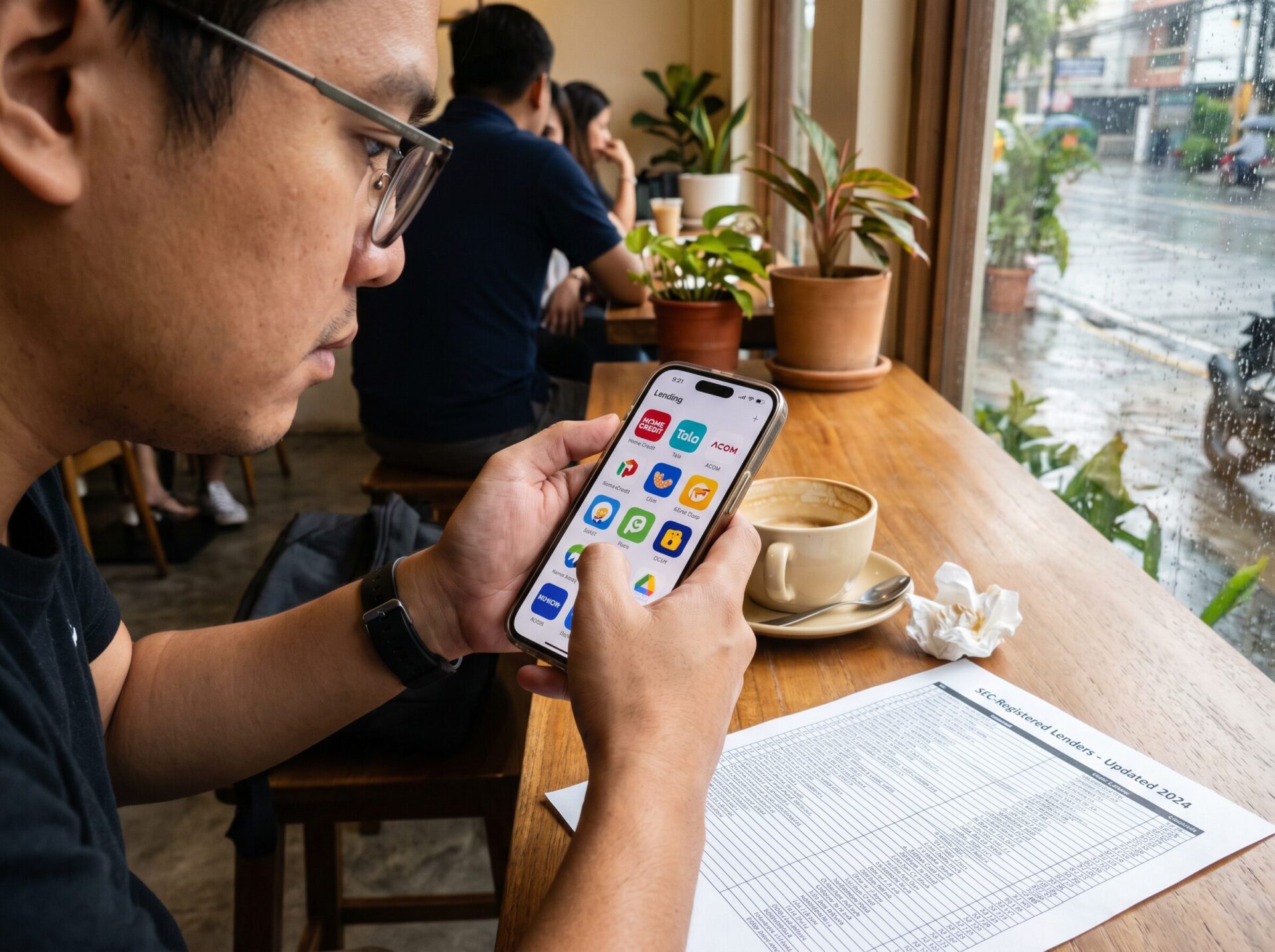
This is the million-peso question, right? First off, if a lender seems too good to be true – like offering huge amounts with no questions asked and no collateral – be suspicious. Illegal lenders often operate without a physical address or clear contact information, relying solely on online channels. They might also pressure you into quick decisions and use aggressive tactics to collect payments. A surefire way is to check their registration with the SEC. You can usually find a list of registered lending companies on the SEC’s official website. If they’re not on that list, it’s a massive red flag.
Ano ang mga hakbang ng SEC laban sa mga loan shark sa Pilipinas?
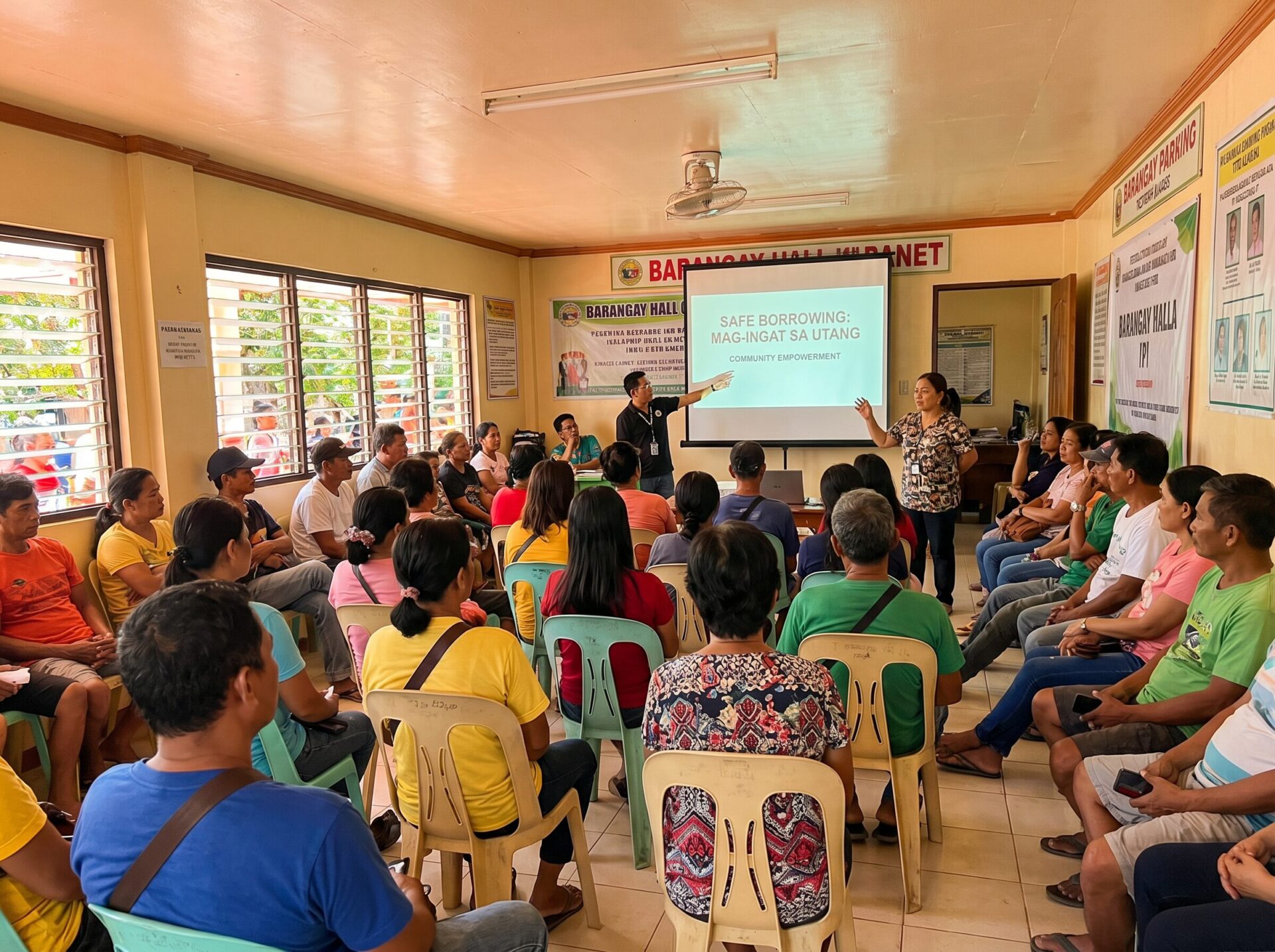
The SEC isn’t just issuing warnings; they’re actively taking action. This includes monitoring online platforms, investigating complaints, and initiating legal proceedings against unregistered entities. They work to have these illegal platforms removed from app stores and social media. Their goal is to protect consumers from the predatory practices often associated with loan sharks, ensuring a fairer financial landscape for everyone. This crackdown is a proactive measure to safeguard your hard-earned pera.
Ready to Apply? Check Your Approval Odds First
Know your CIC credit score before applying — 100% free with Credit Kaagapay.
Sa saan pwedeng magreklamo kung naloko ng illegal online lender sa Pilipinas?
If you’ve been a victim of an illegal online lender, don’t hesitate to report it. Your first stop should be the SEC itself. You can file a formal complaint through their online portal or visit their nearest office. Other agencies that might be able to help depending on the nature of the scam include the National Privacy Commission (NPC) if your data was misused, or even the Philippine National Police (PNP) if there are elements of cybercrime or extortion involved. Reporting these incidents is crucial to help the authorities shut down these illegal operations and prevent others from falling into the same trap.
Gaano kabilis mag-process ng loan ang mga SEC-registered lenders sa Pilipinas?
This is where legitimate lenders shine. SEC-registered lenders, especially those that are app-based, often boast faster processing times compared to traditional banks. While it varies, many can process applications and disburse funds within 24-48 hours, some even within the same day. For example, some personal loan providers can approve and release funds within hours if you meet their criteria and have a good credit score. This speed is a major advantage for those needing urgent cash. Remember, speed shouldn’t come at the expense of safety – always verify their SEC registration!
Ano ang mga requirements para makahiram sa mga legal na lending companies sa Pilipinas?
Legal lending companies, whether online or traditional, will have a set of requirements to assess your creditworthiness. Typically, you’ll need to be a Filipino citizen, of legal age (usually 21-65 years old), and have a stable source of income. They’ll require valid government-issued IDs, proof of address, and proof of income (like payslips, bank statements, or ITR). Some might also ask for your employment details or business registration if you’re self-employed. The exact requirements can differ, but they are designed to ensure you can repay the loan. Having a good CIC credit report can significantly speed up the process and potentially lead to better loan terms.
Safe ba mag-apply ng loan sa mga kumpanyang hindi SEC-registered?
Absolutely not. Applying for a loan from a company that is not SEC-registered is extremely risky. These lenders are not regulated, meaning there’s no oversight to protect you from unfair practices. They can charge exorbitant interest rates, engage in harassment during collection, and even misuse your personal information. You have no legal recourse if something goes wrong. It’s like playing with fire; you’re exposing yourself to potential financial ruin and privacy breaches. Always prioritize your safety and choose only SEC-registered entities.
Magkano ang maximum na pwedeng ipautang ng mga SEC-approved lending apps sa Pilipinas?
The maximum loanable amount from SEC-approved lending apps in the Philippines varies greatly. For first-time borrowers or those with no established credit history, initial loan amounts might be as low as ₱1,000 to ₱5,000. As you build a positive repayment history, these limits can increase significantly, sometimes reaching up to ₱50,000 or even more for established borrowers. It also depends on the specific app and your assessed capacity to repay. Always check the app’s stated loan limits and terms.
Paano makakasiguro na regulated ng BSP o SEC ang isang lending company sa Pilipinas?
To ensure a lending company is regulated by the BSP or SEC, you can perform a few checks. Firstly, visit the official website of the SEC. They maintain a list of registered lending companies and financing companies. For banks and other financial institutions regulated by the Bangko Sentral ng Pilipinas (BSP), you can check the BSP’s website for their list of supervised entities. A legitimate company will proudly display its Certificate of Registration and SEC/BSP registration numbers. If they’re hesitant to provide this information or claim they don’t need it, that’s a major warning sign. You can also check if they have a physical office and a verifiable landline number, not just a mobile number.
May epekto ba ang crackdown ng SEC sa mga loan apps na nag-o-offer ng mababang interest rate sa Pilipinas?
The SEC’s crackdown primarily targets illegal lenders, which are usually characterized by extremely high, predatory interest rates and hidden fees. Legitimate SEC-registered lenders, on the other hand, offer competitive interest rates that are regulated. For instance, personal loans from reputable banks might have annual interest rates ranging from 12% to 24%, while some digital lenders might offer rates that are slightly higher but still transparent and within legal bounds. This crackdown helps to weed out the bad actors, making it easier for borrowers to find legitimate apps that offer reasonable rates, such as those you might find when comparing options for credit card rewards or other loan types.
Ano ang pinakamagandang paraan para makahanap ng legal at mabilis na loan provider sa Pilipinas bukod sa bangko?
Beyond traditional banks, there are several excellent options for legal and fast loan providers in the Philippines. Digital lending apps that are SEC-registered are a great starting point. Platforms like Tonik, Maya, and even some services integrated with GCash offer quick loan applications and approvals. The key is always to verify their SEC registration. Another avenue is through government-backed institutions like SSS or Pag-IBIG, which offer member loans with favorable terms, though their processing might take longer. For speed and convenience, focusing on reputable digital lenders with clear SEC registration is your best bet. Understanding your credit score vs credit report is also crucial to qualify for the best options.
| Lender Type | Example Provider | Typical Loan Amount | Estimated Interest Rate (per month) | Processing Speed | Requirements |
|---|---|---|---|---|---|
| Digital Lender (SEC-Registered) | Example App A | ₱2,000 – ₱20,000 | 3% – 10% | 1-3 days | 2 valid IDs, proof of income, selfie |
| Bank Personal Loan | BPI Personal Loan | ₱20,000 – ₱1,000,000 | 1.25% – 2% | 3-7 days | 2 valid IDs, proof of income, bank statements |
| Government Loan | Pag-IBIG Salary Loan | ₱1,000 – ₱60,000 (depending on contribution) | ~7.76% p.a. (fixed) | 7-14 days | Pag-IBIG MID, 2 valid IDs, proof of income |
| Credit Card Cash Advance | Any major credit card | Up to credit limit | ~3.5% – 5% (plus fees) | Instant (ATM) | Credit card, PIN |
Not sure if you’ll get approved?
What are the common red flags of illegal lenders?
Common red flags include overly aggressive collection tactics, extremely high interest rates that are not clearly disclosed, requests for upfront fees before loan approval, and pressure to make immediate decisions. They often lack a physical address or official registration details.
How can I report an illegal lending operation in the Philippines?
You can report illegal lending operations to the Securities and Exchange Commission (SEC) through their official channels. You can also file a complaint with the National Privacy Commission (NPC) if your personal data is involved, or with the Philippine National Police (PNP) for cybercrime-related offenses.
Does the SEC crackdown affect my ability to get a loan?
The crackdown doesn’t affect your ability to get a loan from legitimate sources. In fact, it makes it safer by removing predatory lenders from the market, encouraging you to use SEC-registered and regulated providers.
What is the difference between a credit score and a credit report?
Your credit score is a three-digit number that summarizes your creditworthiness, while your credit report is a detailed history of your borrowing and repayment activities.
Can I still get a loan if I have a low credit score?
While a low credit score can make it harder to get approved for loans or qualify for favorable terms, it’s not impossible. Some lenders specialize in helping individuals with lower credit scores, though they might offer higher interest rates. Focusing on improving your credit score through responsible budgeting and timely payments is always the best long-term strategy.
Compare Loan Options Side by Side
Find the best rates and fastest approval for your situation.
Updated April 2026
Key Takeaways
- The SEC is actively cracking down on illegal online lending platforms in the Philippines.
- These illegal lenders often engage in predatory practices like exorbitant interest rates and harassment.
- Always verify a lending company’s registration with the SEC before applying for a loan.
- Legitimate SEC-registered lenders offer faster processing and more transparent terms compared to illegal ones.
- Reporting illegal lenders helps protect yourself and other consumers.
Disclaimer: Always verify loan terms directly with the lender. Check that any lending company is registered with the SEC before applying. Rates and requirements may change — this guide was last updated April 2026.