

Updated April 2026
By Zia Tan, Philippines Fintech Industry Analyst at Credit Kaagapay
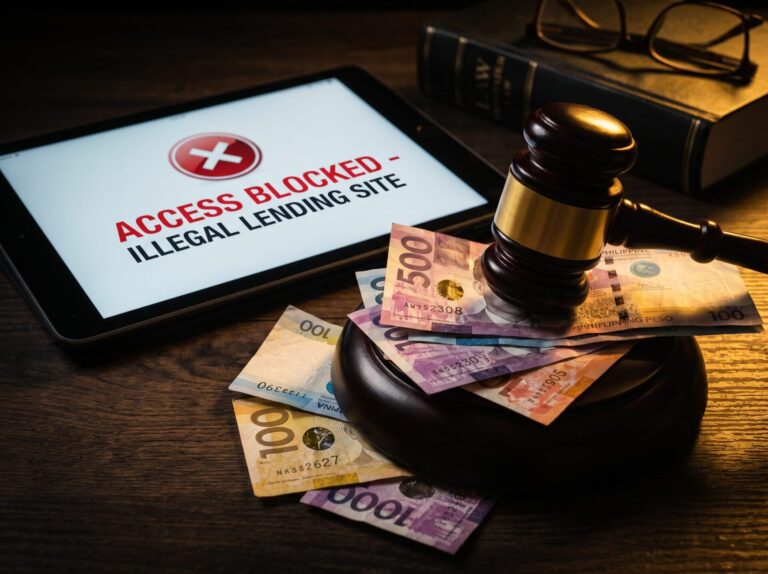
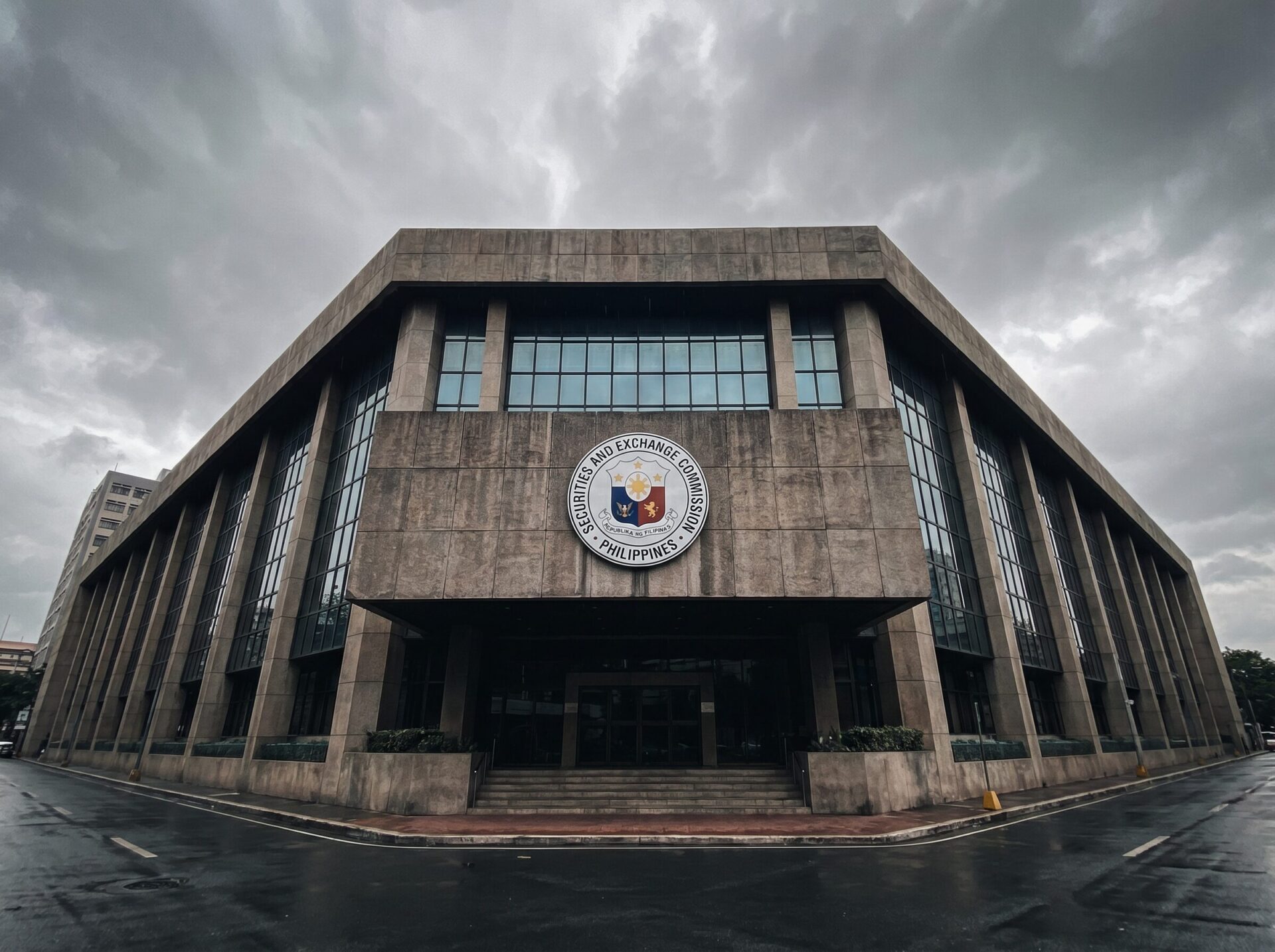
Last week, my cousin almost fell for a ₱10,000 online loan with an absurdly high weekly interest rate. Thankfully, she paused and asked me before clicking ‘apply’. This situation highlights why the news that the SEC cracks down on illegal lenders is so crucial for us Filipinos. The Securities and Exchange Commission (SEC) is reiterating its strong warning against dealing with online lending platforms that aren’t registered with them, pointing out the serious risks of predatory practices and data privacy violations.
Why Is the SEC Cracking Down on Illegal Lenders Now?
The surge in digital lending has unfortunately led to a rise in unscrupulous operators. These illegal lenders often lure borrowers with promises of “easy cash” but then trap them in a cycle of debt with hidden fees and exorbitant interest. The SEC cracks down on illegal lenders to maintain the integrity of the financial system and protect vulnerable Filipinos from being exploited. This action is part of a larger effort to regulate the fintech space.
How Can I Identify an Illegal Lending Platform?
Illegal lenders typically lack a Certificate of Authority (CA) from the SEC. They often use aggressive marketing, request access to your entire contact list, and don’t provide clear disclosure statements. If a lender seems too good to be true or uses threatening language, it’s a major red flag. Always cross-reference any platform with the SEC’s list of registered lending companies before proceeding.
What Are the Risks of Borrowing from Unregistered Lenders?
Beyond high interest rates, the biggest risk is harassment. Illegal lenders are known to contact your friends and family, use shaming tactics, and even threaten physical harm to collect payments. They also compromise your data privacy, potentially selling your information to other scammers. This is why the SEC cracks down on illegal lenders—to stop these abusive practices. For safer options, consider SEC-registered emergency loan apps.
How Does the SEC Protect Borrowers from Predatory Practices?
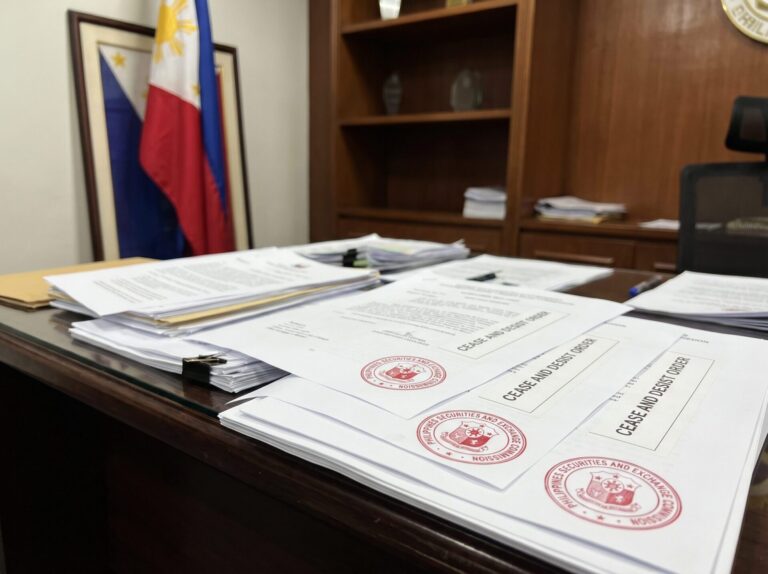
The SEC issues Cease and Desist Orders (CDOs) against illegal OLPs and coordinates with Google and Apple to remove their apps from stores. They also work with the National Privacy Commission (NPC) to address data breaches. By understanding your rights, you can better navigate the lending landscape. This is especially important for first-time borrowers who may not be aware of common lending scams.
Where Can I Report Illegal Lending Activities?
You can report illegal lenders directly to the SEC’s Corporate Governance and Finance Department. Provide as much evidence as possible, including screenshots of the app, loan terms, and any harassing messages. Reporting these entities helps the SEC cracks down on illegal lenders more effectively, protecting the entire community. You can also check our guide on what the crackdown means for you.
What Are the Legal Alternatives to Illegal Online Loans?
There are many legitimate, SEC-registered digital banks and lending apps in the Philippines. These entities follow strict regulations regarding interest rates and collection methods. Government programs like SSS and Pag-IBIG also offer affordable loan options. For example, the new SSS digital loan portal provides a secure way to access funds without the risks associated with illegal lenders.
How Can I Build a Better Credit History Safely?
Building a good credit history starts with borrowing only what you can afford and paying on time. Use regulated financial services and monitor your credit report regularly. This not only makes you eligible for better loan terms but also protects you from needing to turn to illegal lenders in an emergency. Even if you need a 50,000 peso loan without a payslip, there are legal ways to build your creditworthiness over time.
Comparison: Illegal Lenders vs. SEC-Registered Lenders
| Feature | Illegal Lenders (Unregistered) | SEC-Registered Lenders |
|---|---|---|
| SEC Registration | None / Fake | Verified CA Number |
| Interest Rates | Exorbitant (often 20%+ per week) | Regulated & Transparent |
| Collection Methods | Harassment, Shaming, Threats | Professional & Legal |
| Data Privacy | Accesses Contacts, Sells Data | Strictly Protected (NPC Compliant) |
Frequently Asked Questions
What should I do if an illegal lender is harassing me?
Do not be intimidated. Document all harassing messages and calls. Report the lender to the SEC and the National Privacy Commission. You can also seek assistance from the PNP Anti-Cybercrime Group if there are threats of violence.
Can the SEC cancel my debt with an illegal lender?
The SEC regulates the lenders, but the loan agreement is a civil matter. However, since the lender is operating illegally, their ability to legally enforce the debt in court is highly questionable. Seek legal advice if you are being pressured to pay unfair amounts.
How do I check if a lending app is SEC-registered?
Visit the official SEC website and look for the list of “Lending Companies” or “Financing Companies” with a Certificate of Authority. You can also check if the app’s developer matches the registered company name.
Are all online lending apps illegal?
No, many are perfectly legal and provide a valuable service. The key is to distinguish between those that follow the law and those that don’t. Always do your due diligence before sharing any personal information.
What is the maximum interest rate allowed by law?
While the Philippines doesn’t have a strict usury law for all loans, the BSP and SEC monitor for “excessive” rates. Legitimate lenders typically charge between 1% and 5% per month, depending on the risk and loan type.
Disclaimer: Credit Kaagapay is not a lender. We provide free credit reports and AI-powered loan matching. Always verify lender registration with the SEC. SEC Registration: CS201910407.