


Last month, my friend applied for a ₱50,000 loan at BPI and got rejected. Here’s what she did wrong. She didn’t use a loan calculator PH beforehand to see if the monthly payments fit her budget. That’s a common mistake, and it’s why understanding your options and using the right tools is crucial before you even think about applying for any form of credit.
By Zia Tan, Philippines Fintech Industry Analyst at Credit Kaagapay
Updated July 2026
Key Takeaways
- Understanding interest rates and fees is vital before applying for any loan.
- Government loans (SSS, Pag-IBIG) offer competitive rates but have specific eligibility requirements.
- Banks and digital lenders provide faster approvals but often come with higher interest rates.
- Always check if a lending company is SEC-registered to avoid scams.
- Your credit score significantly impacts your loan approval and interest rate.
Navigating Loan Rates with a Loan Calculator PH
Let’s be real, figuring out loan interest rates can feel like deciphering a secret code. But it doesn’t have to be that way! Using a loan calculator PH is your first, most important step. It helps you see the actual cost of borrowing, not just the principal amount. For instance, a ₱20,000 loan from a digital lender like CIMB, advertised at 1.19% per month, might seem small. But over a year, that adds up significantly. A good calculator will show you your total repayment amount, including interest and any other fees. This is essential for budgeting and avoiding financial strain. Remember, the Bangko Sentral ng Pilipinas (BSP) has set a maximum rate of 6% per month for digital lenders, so anything higher is a red flag.

When you’re looking at different loan options, you’ll encounter various interest structures. Some might be a flat annual rate, while others are monthly. This is where a reliable loan calculator PH truly shines. It can convert these different rates into a comparable monthly amortization, making it easier to compare apples to apples. For example, the SSS salary loan offers a 10% annual interest rate, which translates to a specific monthly repayment. On the other hand, the Pag-IBIG Modified Pag-IBIG Fund (MPLF) loan has a 10.5% annual interest rate. While these government-backed loans are attractive, their approval process can sometimes be longer compared to private institutions. Understanding these nuances is key to finding the best fit for your financial situation.
Comparing Loan Options: Banks vs. Digital Lenders
When you’re in the market for a loan, you have a few main avenues: government institutions, traditional banks, and digital lenders. Each has its own set of pros and cons, and the best choice for you will depend on your needs and creditworthiness. For example, BPI personal loans can range from ₱20,000 up to ₱2 million, offering flexibility for larger needs. Their monthly interest rates typically fall between 1.2% to 1.6%. This is generally higher than government loans but often comes with a faster approval process and better customer service.
Digital lenders, like CIMB, have become increasingly popular due to their speed and convenience. They often advertise very competitive monthly rates, starting from around 1.19%. However, it’s crucial to look beyond the advertised monthly rate. Always ask about the Annual Percentage Rate (APR), which includes all fees and charges, to get the true cost of borrowing. The Securities and Exchange Commission (SEC) has been actively cracking down on illegal online lending apps; they blocked over 200 in 2025 alone, so always ensure your lender is SEC-registered. You can check out our guide on how to avoid online lending scams for more tips.
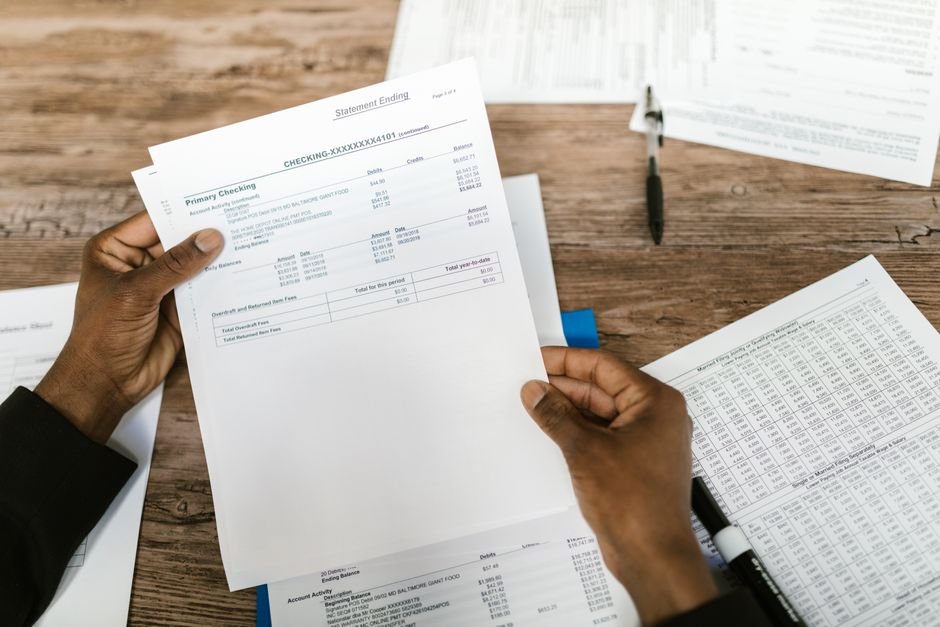
For those with a good credit history, banks might offer the most stable and transparent borrowing experience. However, if you’re a first-time borrower or have a less-than-perfect credit score, digital lenders might be more accessible. Regardless of where you apply, your credit score plays a massive role. A higher score often means better interest rates and a higher chance of approval. Understanding your CIC credit report is just as important as using a loan calculator.
Loan Comparison: Key Features in 2026
| Lender Type | Example Institution | Max Loan Amount | Interest Rate (Approx.) | Repayment Term (Typical) | Approval Speed |
|---|---|---|---|---|---|
| Government Loan | SSS Salary Loan | ₱52,000 | 10% per year | 24 months | 2-4 weeks |
| Government Loan | Pag-IBIG MPL | 80% of savings | 10.5% per year | 24 months | 2-4 weeks |
| Bank Personal Loan | BPI | ₱2,000,000 | 1.2%-1.6% per month | 12-36 months | 3-7 business days |
| Digital Lender | CIMB | Varies (often up to ₱1M) | 1.19%+ per month | 6-36 months | 1-3 business days |
This table gives you a snapshot, but remember that actual rates and terms depend heavily on your creditworthiness and the specific loan product. Always use a loan calculator PH with the exact parameters provided by the lender to get the most accurate estimate of your monthly payments.
Pro Tip: Before applying for any loan, check your credit score. A good credit score (often above 650) can unlock lower interest rates and higher loanable amounts. Credit Kaagapay offers a free credit score check that takes just minutes!
Step-by-Step Loan Application Guide
So, you’ve used your loan calculator PH, identified your top choices, and you’re ready to apply. Great! Here’s a general step-by-step process to help you navigate the application:
- Gather Your Documents: This is crucial. Typically, you’ll need proof of identity (like a government-issued ID), proof of income (payslips, bank statements, ITR), and sometimes proof of address. For SSS and Pag-IBIG loans, you’ll need your membership numbers.
- Complete the Application Form: Whether online or in-branch, fill out the application form accurately and completely. Double-check all details before submitting.
- Submit Supporting Documents: Upload or submit your required documents. Ensure they are clear and legible.
- Underwriting and Approval: The lender will review your application and documents. This is where your credit history and income stability are assessed. This stage can take anywhere from a few hours for digital lenders to a couple of weeks for government loans.
- Loan Offer and Acceptance: If approved, you’ll receive a loan offer detailing the amount, interest rate, repayment schedule, and terms. Read this carefully! If you agree, you’ll sign the loan agreement.
- Disbursement: Once the agreement is signed, the loan amount will be disbursed to your bank account or through other agreed-upon methods.

A common mistake people make is not having all their documents ready. This can significantly delay your application. Another pitfall is not understanding the total cost of the loan, which is why using a loan calculator PH is so important. Some loans might have a low monthly interest rate but a very short repayment term, leading to a high monthly amortization that you might not be able to afford. Always ensure the monthly payment fits comfortably within your budget. You can also explore options like the best personal loan options that match your profile.
Smart Borrower Tip: Before signing any loan agreement, ask yourself: ‘Can I comfortably afford this monthly payment even if my income drops slightly?’ If the answer is no, reconsider the loan amount or explore other options. Your financial well-being is paramount.
Frequently Asked Questions About Loan Calculators
What are the requirements for using a loan calculator PH?
You don’t typically need specific requirements to use a loan calculator PH. Most online calculators are free and accessible to anyone. However, to get accurate results, you’ll need to input details like the loan amount you’re considering, the approximate interest rate (which you can get from lender websites or by comparing offers), and the desired repayment term. For actual loan applications, requirements will vary by lender and include proof of identity, income, and residency.
Is it safe to apply for loans online using a loan calculator PH?
Using a loan calculator PH itself is perfectly safe, as it’s just a tool for calculation. Applying for loans online can be safe if you stick to reputable, SEC-registered lenders. Always verify the lender’s registration status with the SEC. Be wary of apps or websites that promise guaranteed approval with no credit checks or that ask for upfront fees before loan disbursement. Our guide on avoiding online lending scams is a must-read.
What happens if I can’t repay my loan on time?
If you can’t repay your loan on time, you’ll likely incur late payment fees and penalties, which can significantly increase the total amount you owe. Your credit score will also be negatively impacted, making it harder to get loans or credit in the future. For severe cases, lenders may pursue collection efforts, which could include legal action. It’s always best to communicate with your lender as soon as you anticipate repayment difficulties to explore possible arrangements, such as loan restructuring or a temporary payment deferral.
Before You Apply — Check Your Credit Score for FREE
Don’t get rejected. Know your CIC credit score first with Credit Kaagapay — 100% free, no hidden fees.
Disclaimer: Always verify loan terms directly with the lender. Check that any lending company is registered with the SEC before applying. Rates and requirements may change — this guide was last updated July 2026.