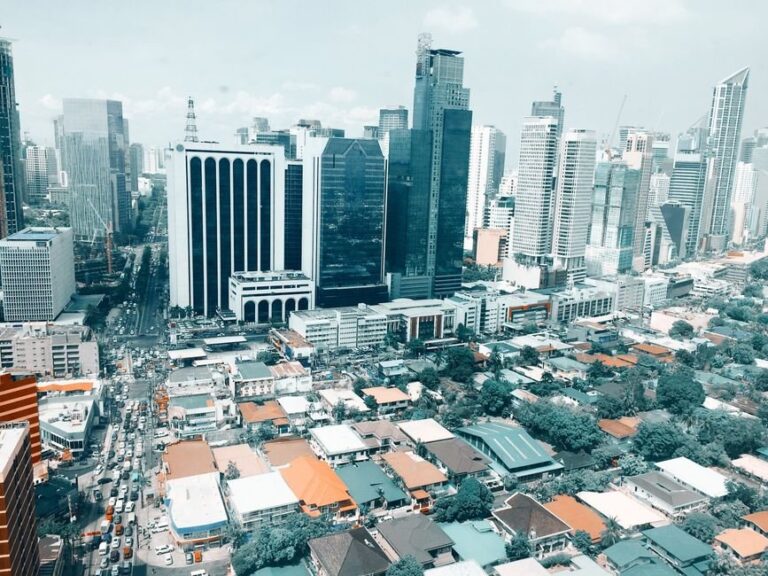


My neighbor, a small business owner, just told me her loan application was put on hold. She’s worried about the latest bsp inflation watch, and honestly, you should be too. The Bangko Sentral ng Pilipinas (BSP) recently reiterated its commitment to monitoring inflation closely, acknowledging potential upside risks from global commodity price volatility. This suggests a cautious stance on immediate interest rate adjustments, and that has real implications for your wallet and your ability to borrow.
By Zia Tan, Philippines Fintech Industry Analyst at Credit Kaagapay
Updated May 2026
Key Takeaways
- The BSP is maintaining vigilance on inflation due to global price volatility.
- This cautious approach means interest rate hikes are unlikely in the immediate future.
- Borrowers can expect existing loan rates to remain relatively stable, but new loan approvals might be stricter.
- Understanding your credit score is crucial for navigating this environment.
- Filipino borrowers should prepare for potential economic shifts and prioritize financial resilience.
BSP Inflation Watch: A Cautious Outlook for Loans
The latest announcement from the Bangko Sentral ng Pilipinas (BSP) on its bsp inflation watch signals a steady hand for now. They’ve acknowledged that global commodity price volatility could push inflation upwards, but they’re not rushing to adjust interest rates. This is good news for those with existing variable-rate loans, as it means your monthly payments are less likely to jump unexpectedly. For instance, if you have a ₱1 million housing loan with a bank like BDO at a 7% variable rate, a sudden BSP rate hike could increase your monthly amortization by a few thousand pesos.
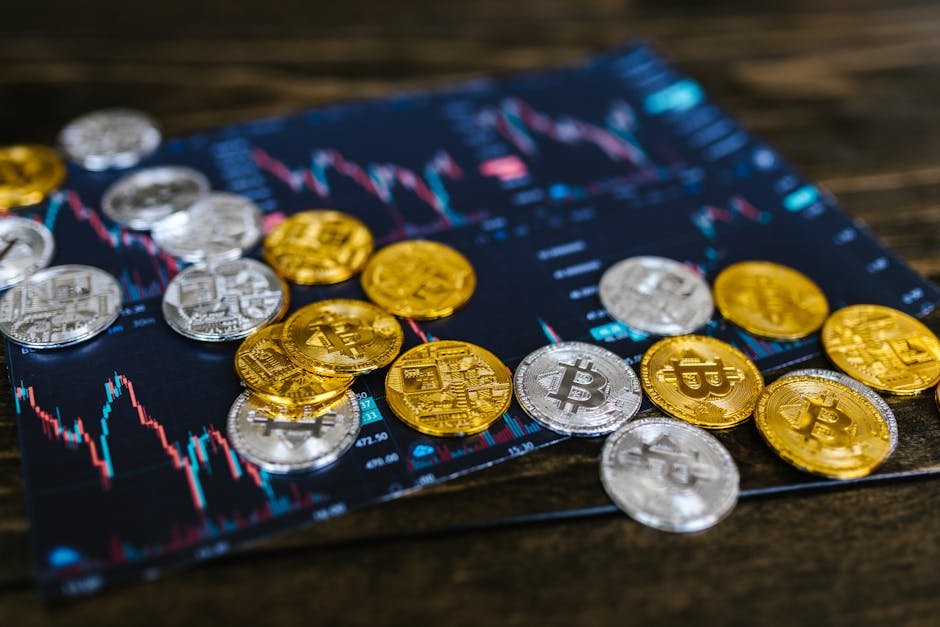
However, this doesn’t mean it’s business as usual for everyone. Lenders, including banks and digital lending platforms, will likely be more scrutinizing of new loan applications. They’ll be looking at your ability to repay, especially if economic conditions worsen. This is where having a solid credit score becomes your best friend. A higher score demonstrates your reliability as a borrower, making it easier to get approved even in a cautious lending environment.
The BSP’s stance is a balancing act. They want to keep inflation in check without stifling economic growth through overly aggressive rate hikes. This cautious approach means you might not see drastic changes in loan interest rates immediately, but it also emphasizes the need for borrowers to be more prepared than ever. Understanding your financial health, including your credit report from the CIC, is paramount.
Impact on Filipino Borrowers and Loan Rates
So, what does this mean for you, the average Filipino borrower? If you’re looking for a personal loan, especially for unexpected expenses like medical emergencies or home repairs, the current environment suggests that rates might not immediately skyrocket. However, lenders will be more careful. They’ll want to see a strong repayment history and a stable income source. For example, a ₱100,000 personal loan from a reputable bank like Security Bank might have an average annual interest rate of around 12-18%, depending on your profile and the loan term. Digital lenders, while often faster, might offer slightly higher rates, perhaps in the 20-35% annual range for smaller amounts, but it’s crucial to compare them and check their SEC registration to avoid online lending scams.
For those with existing loans, especially those with variable interest rates, the BSP’s cautious approach is a sigh of relief. If you have a salary loan from SSS or a housing loan from Pag-IBIG, and your rate is tied to a benchmark that the BSP influences, you likely won’t see immediate increases. However, it’s always wise to review your loan terms periodically. Understanding your CIC credit report can give you a clear picture of your borrowing history and help you negotiate better terms if needed.
Consider this: if the BSP were to signal a more aggressive stance, say by increasing its policy rate by 50 basis points, a ₱1 million housing loan at 7% could see its monthly amortization increase by approximately ₱3,000-₱4,000. The current cautious tone from the bsp inflation watch helps to delay such significant shocks.
Navigating Your Finances with Confidence
In times of economic uncertainty, knowledge is your greatest asset. The BSP’s commitment to monitoring inflation is a sign that they are actively working to maintain economic stability. For you, this means staying informed and proactive about your personal finances. It’s about understanding how these broader economic trends translate into tangible effects on your ability to manage your pera.
If you’re planning to apply for a loan, whether it’s a personal loan for a significant purchase or a credit card to manage everyday expenses and earn rewards, your creditworthiness is key. Banks and lenders use your credit history to assess risk. A good credit score, coupled with a clear understanding of your income and expenses, will significantly improve your chances of approval and potentially secure you better interest rates.
Don’t wait until you desperately need funds to assess your financial standing. Regularly checking your credit score is like a health check-up for your finances. It helps you identify any potential issues early on, giving you time to rectify them before they impact your loan applications. Remember, the difference between a good interest rate and a high one can save you thousands of pesos over the life of a loan.
| Loan Type | Typical Interest Rate (Annual) | Example Lender | Key Consideration |
|---|---|---|---|
| Personal Loan | 12% – 35% | Major Banks (e.g., BPI) / Licensed Digital Lenders | Credit score, income stability. Higher rates from digital lenders. |
| Housing Loan | 6.5% – 9% | Pag-IBIG, SSS, Major Banks (e.g., RCBC) | Loan-to-value ratio, credit history, property appraisal. |
| Salary Loan | 1% – 2% per month (approx. 12% – 24% annual) | SSS, Pag-IBIG, Employer-provided loans | Employment status, salary amount, existing loan obligations. |
Frequently Asked Questions
What are the requirements for BSP inflation watch?
The bsp inflation watch isn’t a loan product you apply for; it’s the Bangko Sentral ng Pilipinas’s ongoing monitoring of economic indicators, particularly inflation. The BSP’s requirement is to maintain price stability. For borrowers, the ‘requirements’ relate to understanding how the BSP’s inflation outlook might affect your loan prospects and rates. This includes having a good credit score, stable income, and proper documentation when applying for any loan product.
What happens if I can’t repay my loan on time?
If you can’t repay your loan on time, the consequences depend on the specific loan and lender. Generally, you’ll incur late fees, and your credit score will be negatively impacted, making it harder to borrow in the future. For loans with variable rates influenced by BSP policy, defaulting can lead to intensified collection efforts. It’s crucial to communicate with your lender immediately if you foresee payment difficulties. Understanding your credit score vs credit report can help you grasp the long-term impact of missed payments.
Is it safe to apply for loans online in the current economic climate?
Applying for loans online can be safe if you stick to reputable, SEC-registered lending institutions. The BSP’s inflation watch influences the economic climate, but it doesn’t inherently make online applications unsafe. The key is diligence: verify the lender’s registration, read reviews, understand all terms and conditions, and be wary of offers that seem too good to be true. Always prioritize lenders that clearly display their SEC registration number. This protects you from online lending scams.
Before You Apply — Check Your Credit Score for FREE
Don’t get rejected. Know your CIC credit score first with Credit Kaagapay — 100% free, no hidden fees.
Disclaimer: Always verify loan terms directly with the lender. Check that any lending company is registered with the SEC before applying. Rates and requirements may change — this guide was last updated May 2026.