



Last month, my friend was stressing about her credit card bill, worried about rising interest rates. She kept asking, “Will the bsp monetary policy stance change soon?” Well, the latest signals from the BSP in May 2026 suggest she might have some breathing room, but it’s not all good news.
By Zia Tan, Philippines Fintech Industry Analyst at Credit Kaagapay
Updated May 2026
Key Takeaways
- The BSP is maintaining a vigilant stance on inflation, signaling potential stability in interest rates for the near term.
- Persistent global economic headwinds are a key factor influencing the BSP’s cautious approach.
- Borrowers can expect current loan interest rates to likely remain unchanged, offering some predictability for budgeting.
- A strong credit score remains crucial for securing favorable loan terms.
- Filipino consumers should continue to monitor economic news and their personal finances closely.
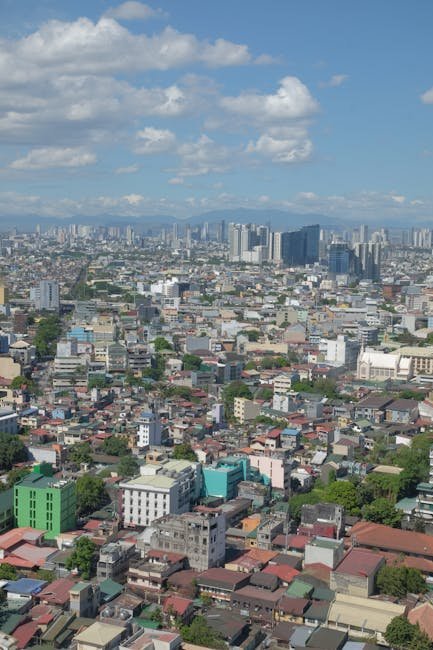
BSP Signals Continued Vigilance: What It Means for Your Loans
The Bangko Sentral ng Pilipinas (BSP) recently reiterated its commitment to keeping a close watch on inflation. This means their bsp monetary policy stance is likely to remain on the cautious side. What does this mean for you, the everyday Filipino borrower? Essentially, it hints that interest rates on loans might not see significant hikes or cuts in the immediate future. This is primarily due to persistent global economic uncertainties, like fluctuating oil prices and supply chain disruptions, which can easily push inflation up.
For those with existing loans, this news could bring a sense of relief. If you have a variable-rate loan, you might not see your monthly amortization jump unexpectedly. However, for those looking to take out new loans, it means the rates you see now are likely to be the rates you get for a while. This can be good for planning your budget, but it also means that if rates were to eventually decrease, you might have to wait a bit longer to benefit from them. Understanding your current financial health, especially your credit score, is more important than ever to ensure you get the best possible terms, even if rates are stable.

Navigating the Current Lending Landscape with Stable Rates
With the BSP’s cautious bsp monetary policy stance, interest rates are expected to remain steady. This predictability can be a double-edged sword. On one hand, it allows for more stable financial planning. If you’re considering a personal loan of, say, ₱50,000, you can more accurately calculate your monthly payments. For instance, a personal loan from a bank like BDO might have an average annual interest rate of around 15-20% for a 1-year term. This means your monthly payment would be roughly ₱4,500-₱4,700, depending on the exact rate and fees. Knowing this allows you to assess if it fits your monthly budget, which is crucial especially when planning around your sweldo.
However, stable rates also mean that borrowers with lower credit scores might still face higher interest rates. Banks and lending institutions use your credit history, which is reflected in your CIC credit report, to assess risk. A good credit score can still open doors to better loan options, potentially even from newer digital lenders that might offer competitive rates. For example, some online lending platforms might offer personal loans with rates starting from 1.5% per month (equivalent to 18% per annum), but these often come with stricter eligibility criteria and require a solid credit history. It’s always wise to compare offers, but always be wary of online lending scams that promise unusually low rates.
Loan Options and Rates in May 2026
Given the current economic climate and the BSP’s monetary policy, here’s a snapshot of what you might expect for different types of loans:
| Loan Type | Typical Lender | Estimated Annual Interest Rate (May 2026) | Example Loan Amount | Possible Monthly Payment (for 1 year term) |
|---|---|---|---|---|
| Personal Loan | Major Banks (e.g., BPI, Metrobank) | 15% – 20% | ₱50,000 | ₱4,500 – ₱4,700 |
| Personal Loan | Online Lenders (Reputable) | 18% – 30% | ₱20,000 | ₱1,900 – ₹2,200 |
| Salary Loan | SSS, Pag-IBIG | 6% – 10% (for SSS/Pag-IBIG members) | ₱10,000 | ₱900 – ₹1,000 |
| Credit Card Cash Advance | Credit Card Issuers | 3% – 4% per month (36% – 48% annually) | ₱5,000 | ₱150 – ₹200 per month (plus fees) |
*Note: These are estimated rates and can vary significantly based on your creditworthiness, loan term, and specific lender. Always confirm exact terms and fees directly with the financial institution.*

Maximizing Your Borrowing Power
Even with a stable bsp monetary policy stance, your ability to get approved for loans and the interest rates you are offered still heavily depend on your personal financial standing. A good credit score is your best friend. It tells lenders that you are a responsible borrower who pays debts on time. If you’re unsure about your credit standing, you can check your credit score for free through apps like Credit Kaagapay. This will give you an idea of where you stand and what you might need to improve.
For those looking to take out a larger loan, like a housing loan or a car loan, the current interest rate environment means that locking in a fixed rate early on can be beneficial. If you anticipate rates might eventually rise, securing a fixed rate now protects you from future increases. Conversely, if you believe rates will fall, a variable rate might seem appealing, but it comes with the risk of higher payments if inflation surges unexpectedly. Remember, understanding the difference between your credit score vs credit report is also key; your report details your financial history, while your score is a numerical representation of that history.
For those who frequently use credit cards, remember that while they offer convenience and rewards, like those discussed in our article on credit card rewards, they also come with high interest rates if balances are not paid in full. A cash advance, for example, can carry an annual interest rate of up to 48%, which is significantly higher than most personal loans. It’s always best to use credit cards for planned expenses that you can pay off quickly.
Frequently Asked Questions
What happens if I can’t repay my loan on time?
If you can’t repay your loan on time, it will negatively impact your credit score. Most lenders will charge late fees and penalty interest rates. Repeated defaults can lead to collections, damage your credit report significantly, and make it very difficult to borrow money in the future. It’s always best to communicate with your lender as soon as you anticipate a problem to explore potential payment arrangements.
Can I get a loan without a valid ID in the Philippines?
Generally, no. A valid government-issued ID is a fundamental requirement for almost all legitimate lending institutions in the Philippines, including banks and registered online lenders. This is part of their Know Your Customer (KYC) regulations to prevent fraud and money laundering. If a lender doesn’t ask for a valid ID, it’s a major red flag and likely an indication of an illegal operation or a scam.
What are the requirements for a loan with the current bsp monetary policy stance?
The requirements for a loan are largely consistent regardless of the exact bsp monetary policy stance, as they are primarily driven by the lender’s risk assessment. Typically, you will need proof of income (payslips, bank statements, ITR), a valid government-issued ID, proof of billing, and a good credit history. For government loans (like SSS or Pag-IBIG), you’ll need to be a member in good standing. The BSP’s stance mainly influences the interest rate environment, not the basic application requirements.
Before You Apply — Check Your Credit Score for FREE
Don’t get rejected. Know your CIC credit score first with Credit Kaagapay — 100% free, no hidden fees.
Disclaimer: Always verify loan terms directly with the lender. Check that any lending company is registered with the SEC before applying. Rates and requirements may change — this guide was last updated May 2026.



Gertrude2394
https://shorturl.fm/A0SrW
Briana963
https://shorturl.fm/URdV5