



Last week, a friend of mine was sharing her frustration. She desperately needed ₱10,000 for an emergency, and a quick online search led her to a platform promising instant approval. Little did she know, she was about to fall victim to an illegal lender. The sec cracks down on illegal lenders is a crucial reminder that these unregistered entities pose significant risks to unsuspecting Filipinos.
By Zia Tan, Philippines Fintech Industry Analyst at Credit Kaagapay
Updated May 2026
Key Takeaways
- The SEC is actively pursuing unregistered online lending platforms.
- Borrowers face risks of exorbitant interest rates and abusive collection tactics from illegal lenders.
- Always verify a lending company’s registration with the SEC.
- Registered lenders often offer more transparent terms and adhere to regulations.
- Your credit score plays a vital role in accessing legitimate loan options.

Understanding the SEC’s Stance on Illegal Lenders
The Securities and Exchange Commission (SEC) has been very clear: engaging with unregistered online lending platforms is a gamble with your finances. They’ve reiterated their warning against these operations, highlighting the severe dangers they present. We’re talking about interest rates that can skyrocket beyond anything reasonable, and collection practices that can be downright abusive. The agency’s ongoing sec cracks down on illegal lenders initiative aims to protect you from these predatory schemes.
These unregistered platforms often operate in a legal gray area, making it difficult for borrowers to seek recourse when things go wrong. They might advertise quick approvals and minimal requirements, which can be tempting when you’re in a tight spot. However, the hidden costs and risks far outweigh the perceived convenience. It’s essential to remember that legitimate financial institutions are regulated and accountable, unlike these fly-by-night operations.

The Real Impact on Filipino Borrowers
So, what does this mean for you, the average Filipino looking for some extra pera? For starters, the SEC’s crackdown means that more resources are being dedicated to identifying and shutting down these illegal lenders. This is good news because it reduces the pool of predatory options you might encounter. However, it also means you need to be even more vigilant. The temptation to use unregistered platforms might still be there, especially if you’re facing a financial emergency.
One of the biggest red flags is exorbitant interest rates. While legitimate banks and financial institutions have regulated loan rates, illegal lenders can charge whatever they want. For instance, a ₱5,000 loan from a legitimate provider might have an annual interest rate of around 15-30% (depending on the bank and loan type). In contrast, unregistered lenders have been known to charge daily interest rates that, when annualized, can reach hundreds or even thousands of percent. This can trap you in a never-ending cycle of debt.
Pro Tip: Always ask for a breakdown of all fees and interest rates before signing any loan agreement. If something feels too good to be true, it probably is.
Abusive collection practices are another serious concern. This can range from incessant calls and messages to harassment and threats. Legitimate lenders are bound by fair debt collection practices, but illegal ones have no such constraints. The emotional and psychological toll of dealing with such harassment can be devastating.
Navigating Your Loan Options Safely
With the SEC’s focus on curbing illegal lending, it’s more important than ever to know where to turn for legitimate financial assistance. The good news is that there are many registered and regulated lending institutions in the Philippines. These include traditional banks like BDO, BPI, and Metrobank, as well as government-backed institutions like SSS and Pag-IBIG, which offer loans to their members.
For those seeking faster approvals, there are also SEC-registered online lending platforms. These platforms are required to disclose their interest rates and fees transparently and adhere to fair collection practices. For example, a ₱10,000 personal loan from a reputable online lender might have an interest rate ranging from 1% to 3% per month, with repayment terms of 3 to 12 months. This is a stark contrast to the predatory rates of unregistered lenders.
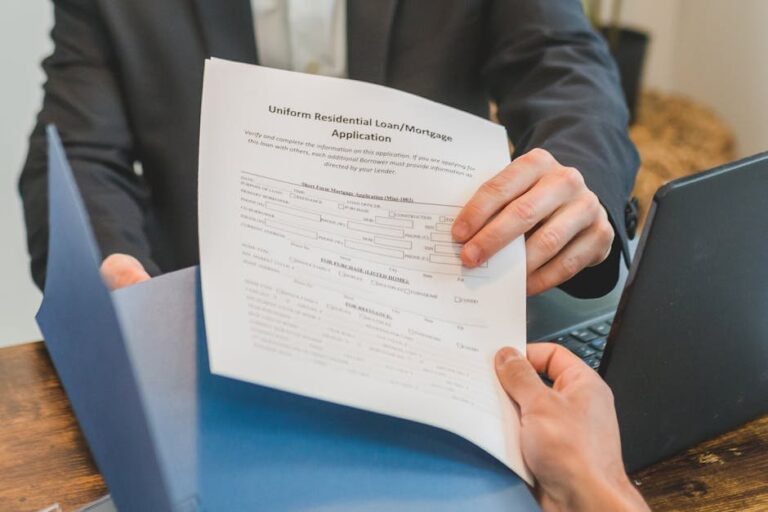
Before you even start looking for a loan, understanding your financial standing is crucial. Your credit score is a key factor that lenders use to assess your creditworthiness. A good credit score can open doors to better loan terms, lower interest rates, and higher loanable amounts. Conversely, a poor credit history might make it harder to get approved by legitimate lenders, potentially pushing you towards riskier options if you’re not careful.
Comparing Loan Options: What to Expect
To give you a clearer picture, let’s compare potential loan offers. It’s vital to remember that rates and terms can vary widely. This table provides a general idea, but always verify directly with the institution.
| Lender Type | Example Loan Amount | Estimated Annual Interest Rate (EIR) | Typical Repayment Term | Registration Status |
|---|---|---|---|---|
| Traditional Bank (e.g., BPI, BDO) | ₱50,000 | 15% – 30% | 1-5 years | SEC Registered, BSP Regulated |
| Government Financial Institution (e.g., SSS) | ₱20,000 | 10% – 15% | 1-2 years | Government Entity |
| SEC-Registered Online Lender | ₱10,000 | 36% – 60% (Monthly rates may apply, check EIR) | 3-12 months | SEC Registered |
| Unregistered Online Lender (Illegal) | ₱5,000 | (Potentially 100%+ per month, often undisclosed) | 7-30 days | NOT Registered |
As you can see, the difference in interest rates is substantial. The sec cracks down on illegal lenders aims to push borrowers away from the last category and towards the more transparent options. It’s also worth noting that your CIC credit report is a crucial document that legitimate lenders will check. Having a good credit history can significantly improve your chances of securing a loan with favorable terms.
Frequently Asked Questions
How fast can I get approved for a loan in the Philippines?
Approval times vary greatly. Traditional bank loans can take several business days to weeks due to thorough vetting. SEC-registered online lenders often offer faster approvals, sometimes within hours or the same day, especially for smaller amounts and for applicants with good credit standing. The speed also depends on the completeness of your submitted documents and your credit history. For quick approvals, a strong credit score is essential.
Is it safe to apply for sec cracks down on illegal lenders online?
It is not safe to apply for loans from unregistered online lenders, which is precisely why the SEC cracks down on them. Always ensure that any online lending platform you consider is registered with the SEC. Legitimate, SEC-registered online lenders operate under regulatory oversight, making them significantly safer. Look for their registration number on their website and verify it with the SEC. Applying with unregistered entities exposes you to risks of scams, exorbitant rates, and abusive practices, as highlighted by the ongoing sec cracks down on illegal lenders efforts.
What happens if I can’t repay my sec cracks down on illegal lenders on time?
If you default on a loan from a legitimate lender, you will face penalties. These can include late fees, increased interest, and a negative impact on your credit score, making future borrowing difficult. For unregistered lenders, the consequences can be far more severe and unpredictable, often involving harassment and other abusive collection methods. If you’re struggling to repay, it’s best to contact your lender immediately to discuss possible payment arrangements, especially if it’s a registered institution. Avoid the temptation of taking out another loan from an illegal lender to cover your debts, as this often leads to a debt spiral.
Before You Apply — Check Your Credit Score for FREE
Don’t get rejected. Know your CIC credit score first with Credit Kaagapay — 100% free, no hidden fees.
Disclaimer: Always verify loan terms directly with the lender. Check that any lending company is registered with the SEC before applying. Rates and requirements may change — this guide was last updated May 2026.


Leah1484
https://shorturl.fm/XMIl9