

Last month, my friend applied for a ₱50,000 loan at BPI and got rejected. She has a few late payments on her credit card, and her CIC score dipped. It’s a common scenario for many Filipinos looking for a bad credit loan philippines, and it can feel like hitting a brick wall.
By Zia Tan, Philippines Fintech Industry Analyst at Credit Kaagapay
Updated May 2026
Key Takeaways
- Understanding your CIC score (300-850 range) is crucial; above 700 is generally good.
- On-time payments significantly impact your score (approx. 35%).
- Explore options like balance transfers to manage existing debt and improve your credit profile.
- Be aware of typical credit card interest rates (2-3.5%/month or 24-42% APR).
- This guide offers practical steps and real rates for securing a bad credit loan philippines.
Understanding Your Credit Score for Bad Credit Loans
Before diving into loan applications, let’s talk about your creditworthiness. Your credit score in the Philippines, typically ranging from 300 to 850 as reported by CIC (Credit Information Corporation), is your financial report card. A score above 700 is considered good, opening doors to better loan terms.
However, if your score is below 700, you might be looking at options for a bad credit loan philippines. It’s important to remember that approximately 35% of your score is determined by your payment history. Consistently paying your bills on time is the single most impactful action you can take to improve your credit standing.
If you’re unsure about your current score, obtaining your CIC credit report is your first step. This report details your credit history, including loans, credit cards, and payment patterns. Understanding what’s on your report helps you identify areas for improvement and understand why you might be facing challenges in securing a loan.
The difference between your credit score and your credit report is vital. Your score is a number that summarizes your creditworthiness, while your report is the detailed document containing all the information that contributes to that score. Knowing both is key to effectively managing your finances and improving your chances of loan approval. This is especially true when seeking a bad credit loan philippines.
Pro Tip: Regularly check your credit report for errors. Mistakes can negatively impact your score and your loan eligibility.
Navigating Loan Options with a Less-Than-Perfect Credit Score
It’s not impossible to get a loan even with a less-than-perfect credit score. While traditional banks might be stricter, there are still avenues you can explore. For those needing a bad credit loan philippines, understanding the landscape of available options is key.
When your credit score is lower, lenders see you as a higher risk. This means interest rates might be higher, and loan amounts could be smaller. However, many institutions and even some online lenders offer products designed for individuals in your situation. The key is to be prepared and know what to expect.
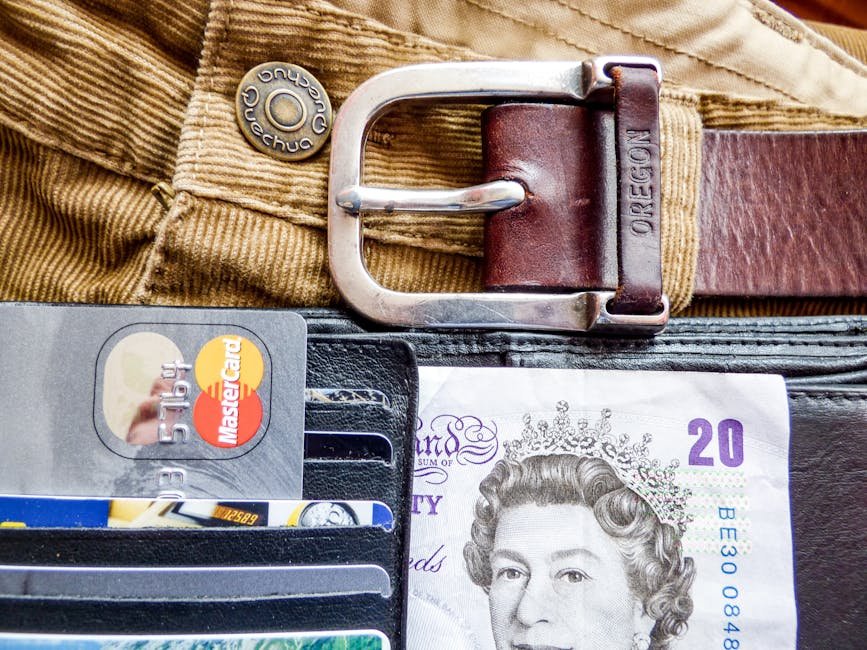
Let’s look at some common financial tools that can help manage debt and potentially improve your credit profile, making future loans more accessible. Credit cards, while sometimes the source of credit issues, can also be a tool for rebuilding. If you have existing high-interest debt, consider a balance transfer. For example, BPI offers a balance transfer rate of 0.59% per month, and CIMB has a 0% introductory offer for three months, after which it becomes 1.49% per month. These can significantly reduce your interest payments, freeing up cash flow to pay down principal faster.
However, be mindful of annual fees, which can range from ₱1,500 to ₱5,000, although many cards offer a first-year waiver. Managing credit cards responsibly, even if you’ve had past issues, is a step towards better credit. This is a crucial strategy for anyone looking to improve their chances for any type of loan, including a bad credit loan philippines.
Comparing Loan and Credit Card Interest Rates
Understanding the cost of borrowing is paramount. Credit card interest rates in the Philippines typically fall between 2% to 3.5% per month, translating to a hefty 24% to 42% Annual Percentage Rate (APR). This is considerably higher than many personal loans. However, for individuals with a lower credit score, the APR on a personal loan might also be on the higher side.
Here’s a comparison to give you a clearer picture:
| Product | Typical Monthly Interest Rate | Typical APR | Institutions |
|---|---|---|---|
| Credit Card (Standard) | 2% – 3.5% | 24% – 42% | Major Banks (BDO, BPI, Metrobank) |
| Personal Loan (Good Credit) | 1% – 2.5% | 12% – 30% | Major Banks (BPI, Security Bank) |
| Personal Loan (Bad Credit – Estimated) | 2.5% – 5% | 30% – 60% | Online Lenders, Rural Banks (Rates vary widely) |
| Balance Transfer (Introductory) | 0% – 0.59% | ~7.08% (for 0.59%/mo) | BPI, CIMB |
As you can see, while personal loans can offer lower APRs than standard credit card rates, those with bad credit might face rates comparable to or even higher than credit cards. This is why exploring balance transfer options or focusing on improving your credit score before applying for a larger loan is often a smart move.
Step-by-Step Application for a Bad Credit Loan Philippines
Securing a bad credit loan philippines requires a strategic approach. Here’s a step-by-step guide to help you navigate the application process:
- Assess Your Credit Health: Obtain your latest CIC credit report and score. Understand your financial standing. If your score is too low, focus on improving it by paying down debts and making on-time payments for at least 3-6 months before applying. You can get your score for free through Credit Kaagapay.
- Research Lenders: Look for lenders that explicitly offer loans to individuals with lower credit scores. This might include online lending platforms, rural banks, or specific programs from larger financial institutions. Be wary of unsolicited offers and always check if a lending company is registered with the SEC. Avoid online lending scams.
- Gather Required Documents: Typical requirements include proof of identity (government-issued ID), proof of address, proof of income (payslips, bank statements, or other verifiable income sources), and sometimes a photocopy of your TIN or SSS/Pag-IBIG number. Some lenders might have more flexible requirements for those with irregular income.
- Compare Loan Offers: Don’t apply to just one lender. Compare interest rates, fees, repayment terms, and loan amounts from at least 2-3 different institutions. Use a loan calculator to understand the total cost of borrowing.
- Submit Your Application: Fill out the application form accurately and completely. Be honest about your financial situation. Some lenders offer a quick online application process, while others may require a visit to a branch.
- Follow Up and Review: After submitting, follow up on your application status. Once approved, carefully review the loan contract before signing. Ensure you understand all terms and conditions, especially the interest rate, repayment schedule, and any hidden fees.
Remember, a bad credit loan philippines might come with higher costs. It’s crucial to borrow only what you absolutely need and have a solid plan for repayment.
Pro Tip: If you have multiple small debts, consider consolidating them into a single loan with a lower interest rate. This can simplify payments and save you money in the long run.
Improving Your Credit for Better Loan Prospects
Even if you’re currently seeking a bad credit loan, your journey doesn’t have to end there. Actively working on improving your credit score can unlock better financial opportunities in the future, including more favorable loan terms and lower interest rates from traditional banks. This proactive approach can save you significant amounts of money over time.
One of the most effective ways to boost your credit score is by consistently making on-time payments for all your financial obligations. This includes credit cards, utilities, and any existing loans. Even a single missed payment can have a negative impact, so set up reminders or automatic payments to ensure you never fall behind.
Another strategy is to reduce your credit utilization ratio. This is the amount of credit you’re using compared to your total available credit. Aim to keep this ratio below 30%. For instance, if you have a credit card with a ₱50,000 limit, try to keep your outstanding balance below ₱15,000. Paying down existing balances is a powerful way to improve your score. You might also explore personal loan options from institutions that offer better rates once your score improves.
Establishing a positive credit history takes time and discipline. By focusing on responsible financial habits, you can gradually build a stronger credit profile, making it easier to qualify for loans with better terms when you need them. This long-term perspective is essential for financial well-being.
Frequently Asked Questions about Bad Credit Loans
Is it safe to apply for a bad credit loan Philippines online?
Applying for a bad credit loan Philippines online can be safe if you choose reputable and SEC-registered lenders. Always verify the lender’s registration and look for reviews and testimonials. Be cautious of lenders that ask for upfront fees before approving a loan or those with overly aggressive contact methods. Credit Kaagapay’s platform helps you find legitimate lenders.
How much can I borrow with a bad credit loan Philippines?
The loanable amount for a bad credit loan Philippines typically depends on the lender, your income, and your ability to repay. Generally, loan amounts might be smaller compared to those with good credit. Lenders will assess your debt-to-income ratio and may offer amounts ranging from ₱5,000 to ₱50,000 or more, but this varies significantly by institution.
What are the requirements for a bad credit loan Philippines?
Common requirements for a bad credit loan Philippines include proof of identity (like a valid government ID), proof of address, and proof of income. While traditional lenders might require payslips, some online lenders might accept bank statements, business permits, or other verifiable income sources. The exact requirements will vary from one lender to another.
Before You Apply — Check Your Credit Score for FREE
Don’t get rejected. Know your CIC credit score first with Credit Kaagapay — 100% free, no hidden fees.
Disclaimer: Always verify loan terms directly with the lender. Check that any lending company is registered with the SEC before applying. Rates and requirements may change — this guide was last updated May 2026.