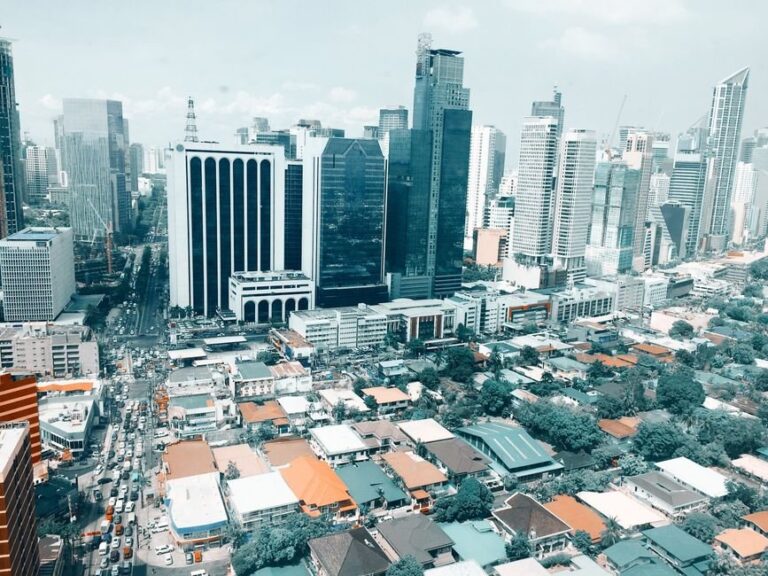


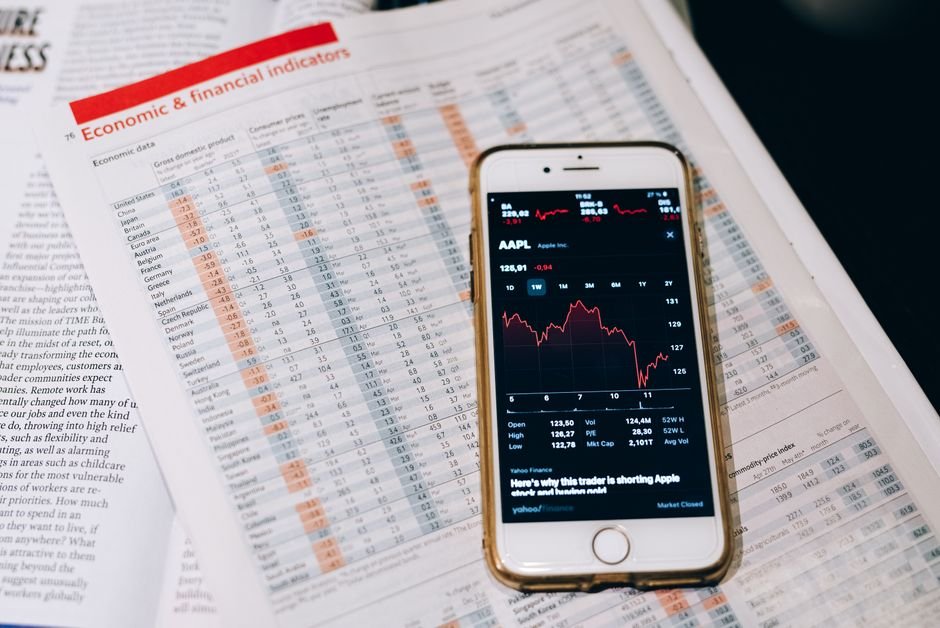
If you were hoping for a drop in interest rates, the latest announcement from the central bank might be a bit of a reality check. The current bsp monetary policy stance prioritizes keeping inflation under control, which means the cost of borrowing is staying higher for longer than many of us expected. When the BSP keeps policy rates steady, it trickles down to your bank loans, credit cards, and even your monthly sweldo adjustments.
By Zia Tan, Philippines Fintech Industry Analyst at Credit Kaagapay
Updated July 2026
Key Takeaways
- The BSP is keeping policy rates high to curb inflation, meaning loan interest rates are unlikely to drop soon.
- Borrowing costs for personal and business loans remain elevated in 2026.
- Your credit score is more critical than ever to secure the best available rates.
- Always verify if a lender is SEC-registered to avoid online lending scams.
Understanding the BSP Monetary Policy Stance for Your Wallet
Think of the bsp monetary policy stance as the “thermostat” for the Philippine economy. When inflation is too hot, the BSP turns up the rates to cool down spending and borrowing. According to the 2026 BSP Financial Stability Report, household debt-to-income ratios have climbed by 4.2% across urban centers, making it vital for you to be selective with new credit.
If you are planning to take out a personal loan, expect banks to be extra cautious. You might find that while a bank advertises a “low” rate, your final offer is higher because they are pricing in the current economic environment. Before you sign, always check your CIC credit report to ensure your data is accurate, as even a small error could cost you thousands in interest.

Comparing Loan Options Under Current Rates
While market rates are elevated, not all lenders are the same. Some institutions offer better flexibility for those who maintain a strong credit profile. Here is how current market offerings compare for a standard ₱100,000 personal loan over a 12-month term (estimates based on Q3 2026 bank disclosures).
| Lender | Est. Monthly Interest | Req. Monthly Income |
|---|---|---|
| BDO Personal Loan | 1.2% – 1.8% | ₱15,000 |
| Metrobank PSBank | 1.3% – 1.9% | ₱20,000 |
| Security Bank | 1.4% – 2.0% | ₱15,000 |
Pro Tip: If you are a gig worker or freelancer, your pera flow might be irregular, but banks look at your average monthly cash inflow. Use your bank statements to prove your capacity to pay, which can help offset high-interest environments.

How to Navigate Elevated Borrowing Costs
Since the bsp monetary policy stance is not shifting toward a rate cut anytime soon, you need a strategy. Focus on debt consolidation if you have multiple high-interest credit cards. You can learn more about managing your credit score vs credit report to understand why banks might be denying your applications.
Remember that your credit card rewards are only valuable if you pay your balance in full. If you only pay the minimum, the high interest rates currently seen across the industry will wipe out any points or cash-back you earn. Aim to pay off your debt faster to mitigate the impact of the BSP’s current stance on your personal finances.
How fast can I get approved for a loan in the Philippines?
Approval speed depends on the lender, but digital-first banks like Maya or SeaBank can provide approval in as little as 24 hours. Traditional banks may take 3 to 7 business days to process your application.
Can I get a loan without a valid ID in the Philippines?
No, all SEC-registered lenders require at least one government-issued valid ID to comply with KYC (Know Your Customer) regulations. If a lender says they don’t need an ID, it is likely a scam.
Is it safe to apply for loans during the current bsp monetary policy stance?
Yes, it is safe as long as you verify the lender’s registration with the SEC. Always check the official SEC website to ensure the company is authorized to offer loans, regardless of the current economic climate.
Before You Apply — Check Your Credit Score for FREE
Don’t get rejected. Know your CIC credit score first with Credit Kaagapay — 100% free, no hidden fees.
Disclaimer: Always verify loan terms directly with the lender. Check that any lending company is registered with the SEC before applying. Rates and requirements may change — this guide was last updated July 2026.