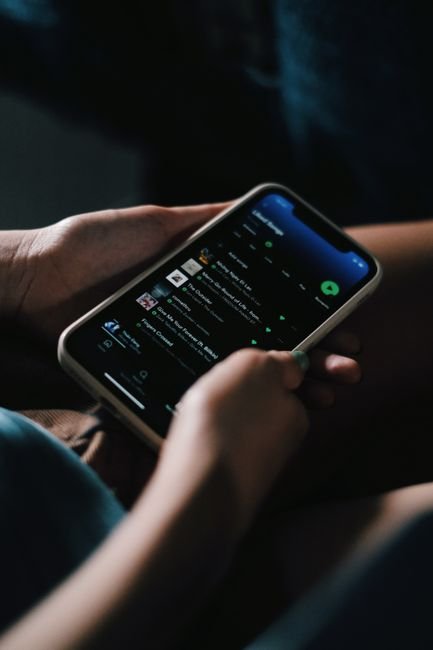


The Securities and Exchange Commission (SEC) reiterated its stern warning against engaging with unregistered online lending applications, highlighting the pervasive risks of predatory practices and data privacy violations. This intensified sec crackdown on illegal lenders isn’t just headlines; it’s a direct message to you, the Filipino borrower, about staying safe and informed.
By Zia Tan, Philippines Fintech Industry Analyst at Credit Kaagapay
Updated June 2026
Key Takeaways
- The SEC is actively warning the public about unregistered online lending apps.
- These unregistered apps often engage in predatory lending and violate data privacy.
- Always verify a lending company’s registration with the SEC before applying for a loan.
- Understanding your credit score and report is crucial for accessing legitimate loan options.
- Legitimate lenders, like those partnered with Credit Kaagapay, offer transparent terms and fair rates.

Understanding the SEC’s Warning on Unregistered Lenders
It feels like just yesterday that online loans were the hot new thing, promising quick cash with minimal fuss. But as with anything that seems too good to be true, there’s often a catch. The SEC’s recent reiteration of its warning is a crucial reminder that not all lenders operating online are legitimate. The core of the issue is that many of these unregistered apps bypass crucial regulations, leading to severe consequences for borrowers who fall victim. We’re talking about exorbitant interest rates that can trap you in a debt cycle, aggressive collection tactics, and worst of all, the misuse of your personal data.
The current sec crackdown on illegal lenders aims to protect you from these dangers. These unregistered entities often don’t have a physical address, a clear business structure, or adherence to fair lending practices mandated by the Bangko Sentral ng Pilipinas (BSP). They exploit the immediate need for cash, often preying on individuals who may not qualify for traditional bank loans or are unaware of the risks involved. Remember, if a loan offer sounds too easy or too good to be true, it probably is.
The Real Impact: Predatory Practices and Data Privacy
Let’s talk specifics. When the SEC warns about predatory practices, they mean things like sky-high interest rates that can easily reach 20% to 30% per month, or even daily! Imagine borrowing ₱5,000 and suddenly owing ₱7,500 in just two weeks, with late fees piling up relentlessly. This is far from the reasonable interest rates offered by legitimate financial institutions. For instance, personal loans from reputable banks like BPI or BDO typically range from 1.25% to 3% per month, depending on your creditworthiness and loan term. Even digital banks and well-established online lenders, while often faster, are regulated and operate within legal interest rate caps.
Beyond the financial burden, the data privacy violations are equally alarming. Unregistered lenders often demand excessive personal information – access to your contacts, photos, social media, and even GPS location. This data can then be used for harassment, blackmail, or sold to other unscrupulous entities. If you default, they might contact your entire contact list, causing immense embarrassment and damaging your reputation. This is why a strong understanding of how to protect your personal information is as vital as understanding loan terms. Check out our guide on how to avoid online lending scams for more detailed tips.
Navigating Legitimate Loan Options in 2026
So, what’s a borrower to do? The good news is that the sec crackdown on illegal lenders also shines a spotlight on the legitimate options available to you. These are lenders who are registered with the SEC and often regulated by the BSP, ensuring they adhere to fair lending practices. Your first step should always be to verify the lender’s registration number on the SEC website. If they don’t have one, or if it doesn’t match their company name, walk away.
Consider traditional banks for larger loan amounts and longer terms. For example, a ₱100,000 personal loan from Security Bank could have an annual interest rate of around 14-20%, translating to roughly 1.17% to 1.67% per month. For faster approvals and smaller amounts, reputable digital banks and SEC-registered online lending platforms are excellent alternatives. Platforms like CIMB Bank, Tonik Digital Bank, and other BSP-supervised entities offer personal loans with transparent terms. For example, Tonik’s personal loan can offer up to ₱500,000 with interest rates starting at 1.25% per month.
The key to accessing the best loan options is often your credit health. A good credit score and a clean CIC credit report significantly improve your chances of approval and can even lead to lower interest rates. This is where tools like Credit Kaagapay come in handy – knowing your credit standing before you apply can save you a lot of hassle and potential rejections.
Comparing Legitimate Loan Offers (June 2026)
To give you a clearer picture, here’s a comparison of potential loan offers from legitimate sources in the Philippines. Remember, actual rates and terms will depend on your individual credit profile and the specific loan product.
| Lender | Max Loan Amount | Estimated Interest Rate (per month) | Typical Loan Term | Verification |
|---|---|---|---|---|
| BPI Personal Loan | Up to ₱3,000,000 | 1.25% – 1.75% | 12-60 months | SEC Registered, BSP Supervised |
| Security Bank Personal Loan | Up to ₱2,000,000 | 1.30% – 1.80% | 12-36 months | SEC Registered, BSP Supervised |
| Tonik Digital Bank Personal Loan | Up to ₱500,000 | 1.25% – 2.50% | 6-36 months | SEC Registered, BSP Supervised |
| A Reputable Online Lender (e.g., Cashalo – verified partner) | Up to ₱20,000 | 2.00% – 4.00% | 3-6 months | SEC Registered |
This table highlights the vast difference between regulated lenders and the unchecked rates of illegal operations. The lowest rates from illegal lenders often start where legitimate ones end, and that’s before factoring in hidden fees and abusive practices.
Your Action Plan: Stay Safe and Borrow Smart
The intensified sec crackdown on illegal lenders is a positive step, but it’s not a magic bullet. You, the borrower, are the first line of defense. Always remember these crucial steps:
- Verify Registration: Before applying, check the SEC website for the lender’s registration.
- Read the Fine Print: Understand all terms, fees, and interest rates. Don’t be afraid to ask questions.
- Protect Your Data: Be wary of apps demanding excessive permissions.
- Know Your Credit Score: A good credit score vs credit report can unlock better loan opportunities.
- Seek Legitimate Channels: Prioritize banks, regulated digital banks, and SEC-registered online lenders.
Pro Tip: If a lender pressures you to pay fees upfront before disbursing the loan, it’s a major red flag. Legitimate lenders deduct fees from the loan amount or collect them after disbursement.
For those looking for legitimate personal loan options, focusing on your credit health is paramount. The better your financial reputation, the more favorable your loan terms will be. Think of your credit score as your financial passport to better borrowing opportunities.
Frequently Asked Questions (FAQs)
What happens if I can’t repay my loan obtained from an unregistered lender?
If you can’t repay a loan from an unregistered lender, you’re in for a very difficult situation. They are not bound by collection laws and will likely resort to aggressive and abusive tactics, including harassment, threats, and potentially misusing your personal data. Since they are not regulated, seeking help from consumer protection agencies might be challenging. Your best bet is to try and negotiate a payment plan directly, but be prepared for a stressful experience. This is a primary reason for the ongoing sec crackdown on illegal lenders – to prevent borrowers from facing such predicaments.
How much can I borrow with legitimate online lenders in the Philippines?
The amount you can borrow from legitimate online lenders in the Philippines varies greatly. For smaller, short-term needs, some registered online lenders might offer from ₱1,000 up to ₱20,000. For larger amounts, digital banks or traditional banks are your best bet, potentially offering loans from ₱50,000 up to ₱3,000,000 or more, depending on your income and creditworthiness. Always check the lender’s official website and SEC registration for accurate loanable amounts and terms.
How fast can I get approved for a loan in the Philippines?
Approval speed for loans in the Philippines can range from a few minutes to several days or weeks. Unregistered online lenders often boast of instant approval, but this comes with extreme risks. Legitimate digital banks and some SEC-registered online lenders can offer approvals within minutes to a few hours, especially for smaller amounts. Traditional bank loans typically take 3-7 business days for approval and disbursement, assuming you have a complete application and a good credit history. Having your documents ready and a good credit score can significantly speed up the process.
Before You Apply — Check Your Credit Score for FREE
Don’t get rejected. Know your CIC credit score first with Credit Kaagapay — 100% free, no hidden fees.
Disclaimer: Always verify loan terms directly with the lender. Check that any lending company is registered with the SEC before applying. Rates and requirements may change — this guide was last updated June 2026.