

Last month, a friend of mine was worried about applying for a new car loan, thinking interest rates would keep climbing. But today, the Bangko Sentral ng Pilipinas (BSP) announced a bsp rate hold, keeping its benchmark interest rate steady at 6.50%.
By Zia Tan, Philippines Fintech Industry Analyst at Credit Kaagapay
Updated April 2026
Key Takeaways
- The BSP maintained its key policy rate at 6.50% in April 2026 to manage inflation expectations, as announced by Governor Eli Remolona Jr.
- This bsp rate hold suggests stability in current loan rates for various types of financing, including personal, home, and auto loans.
- Filipino borrowers should focus on improving their credit score and reviewing their CIC credit report to secure favorable terms.
- While rates are stable, comparing offers from different banks like BPI, BDO, and Metrobank remains crucial to find the best deals.
- Future rate adjustments by the BSP will be data-dependent, so staying informed about economic indicators is important for financial planning.
The BSP Rate Hold Decision: What Happened?
Today, the Bangko Sentral ng Pilipinas (BSP) announced its decision to keep the benchmark interest rate at 6.50%. This move, confirmed by Governor Eli Remolona Jr., aims to anchor inflation expectations despite some recent moderation in prices.
For us ordinary Filipinos, this means the central bank is still cautious about inflation. Even if prices aren’t rising as fast as before, the BSP wants to make sure they stay under control, protecting the purchasing power of our hard-earned pera.
Pro Tip: The BSP’s benchmark rate influences the interest rates banks charge for loans. A steady rate usually means stable loan costs for you.
Governor Remolona also emphasized a "data-dependent" approach for future adjustments. This tells us that the BSP will continue to closely monitor economic indicators like inflation rates, GDP growth, and employment figures before making any changes.
How This BSP Rate Hold Affects Your Loans
So, what does a steady 6.50% benchmark rate mean for your finances, especially if you’re planning to borrow? Good news: it generally signals stability in lending rates.
If you’re looking into a personal loan, a home loan, or even a car loan, the interest rates offered by banks are less likely to see sudden increases. This gives you a clearer picture of your monthly amortization and overall loan cost.
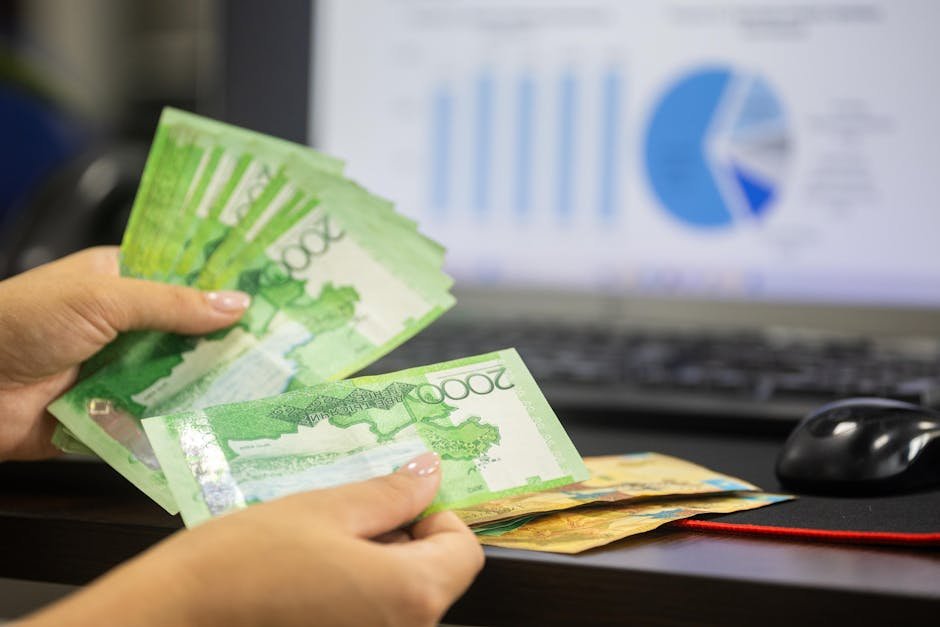
For example, major lenders like BPI, BDO, and Metrobank typically adjust their rates in response to BSP’s actions. With the current bsp rate hold, you can expect their offered rates to remain relatively consistent for the foreseeable future.
This stability is particularly beneficial for long-term loans like mortgages. A fixed rate for the initial years of your home loan means predictable payments, making it easier to budget your sweldo.
Loan Rates in the Philippines: A Comparison (Illustrative)
While specific rates depend on your creditworthiness, here’s an illustrative look at what you might find for different loan types from major banks in April 2026, influenced by the current 6.50% BSP rate (sources: individual bank websites and industry averages):
| Loan Type | Typical Annual Add-on Rate (Illustrative) | Typical Effective Interest Rate (EIR) per Annum (Illustrative) | Named Institutions (Examples) |
|---|---|---|---|
| Personal Loan | 1.5% – 2.5% per month (18% – 30% p.a.) | 30% – 48% p.a. | BPI, BDO, Metrobank, Security Bank |
| Home Loan (Fixed for 1-5 years) | 6.75% – 8.50% p.a. | 7.5% – 9.5% p.a. | UnionBank, RCBC, PNB |
| Car Loan (Fixed for 1-5 years) | 6.50% – 10.00% p.a. | 7.0% – 11.0% p.a. | EastWest Bank, PSBank, Maybank |
Note: These rates are illustrative as of April 2026, based on general market trends and information from major Philippine banks. Actual rates depend on your credit profile, loan term, and the bank’s current offerings. Always confirm directly with the lender.
What Filipino Borrowers Should Do Now
Even with a stable interest rate environment, being a smart borrower is always key. Here are practical steps you can take to make the most of the current situation:
1. Check Your Credit Score and Report
Before applying for any loan, it’s crucial to know where you stand. Your credit score is a numerical representation of your creditworthiness, and banks use it to decide if they’ll approve your loan and at what rate.
A good credit score can significantly lower the interest rate you get, saving you thousands of pesos over the life of a loan. You can also review your CIC credit report to spot any errors or areas for improvement, as explained in our guide.

2. Compare Loan Offers Actively
Don’t just go with the first offer you see, even if rates are stable. Banks have different lending criteria and promotional rates, especially for personal loan options.
Compare interest rates, processing fees, and repayment terms from at least three different lenders. For instance, while BDO might offer a competitive rate for a car loan, Metrobank could have a better deal on a personal loan tailored to your needs.
Pro Tip: Use online loan finders like Credit Kaagapay to compare multiple loan products without visiting each bank. This saves time and helps you find the best rates available.
3. Be Aware of Future Rate Adjustments
While this bsp rate hold brings stability, Governor Remolona’s "data-dependent" stance means things can change. Keep an eye on inflation news and BSP announcements. If inflation picks up again, the BSP might consider raising rates.
Conversely, if inflation truly moderates and the economy needs a boost, rates could eventually go down. Being informed helps you decide the best time to borrow or refinance existing loans.
Frequently Asked Questions About Borrowing in the Philippines
How fast can I get approved for a loan after the BSP rate hold?
Loan approval times in the Philippines vary widely, from a few hours for online lenders to several weeks for traditional bank loans like mortgages. Factors include your completeness of documents, your credit score, and the lender’s internal processing times. For instance, a well-prepared application with a strong credit score can speed up the process.
What happens if I can’t repay my loan on time, especially with the current bsp rate hold?
If you anticipate difficulty in repaying your loan, contact your lender immediately. They may offer options like loan restructuring, payment holidays, or a revised payment plan. Ignoring the issue can lead to penalties, higher interest charges, and a negative impact on your credit score, making future borrowing difficult.
Can I get a loan without a credit check in the Philippines?
While some informal lenders or pawnshops might offer loans without a formal credit check, most legitimate financial institutions in the Philippines (like banks and SEC-registered online lenders) require a credit assessment. Be very cautious of "no credit check" offers, as they often come with extremely high interest rates or are associated with online lending scams. Always prioritize lenders registered with the SEC.
Before You Apply — Check Your Credit Score for FREE
Don’t get rejected. Know your CIC credit score first with Credit Kaagapay — 100% free, no hidden fees.
Disclaimer: Always verify loan terms directly with the lender. Check that any lending company is registered with the SEC before applying. Rates and requirements may change — this guide was last updated April 2026.