



Just last week, a friend of mine was almost duped into a payday loan with an astronomical 20% daily interest. Thankfully, she remembered our chat about the sec cracks down on illegal lenders and decided to double-check. This isn’t an isolated incident; many Filipinos are still falling prey to these predatory schemes, which is why the SEC’s renewed efforts are so crucial.
By Zia Tan, Philippines Fintech Industry Analyst at Credit Kaagapay

Updated April 2026
Key Takeaways
- The SEC is actively pursuing unregistered online lending apps.
- Borrowers face risks of extreme interest rates and privacy breaches.
- Always verify a lender’s SEC registration before applying.
- Reputable institutions offer transparent loan terms and reasonable rates.
- Understanding your credit score is vital for better loan opportunities.
Understanding the SEC’s Crackdown on Unregistered Lenders
The Securities and Exchange Commission (SEC) has been very clear: engaging with unregistered online lending applications is a risky business. They’ve reiterated their warning against these platforms, highlighting the very real dangers borrowers face. We’re talking about interest rates that can skyrocket to unaffordable levels, often far exceeding what’s allowed by law, and serious concerns about data privacy violations. The agency is committed to its crackdown on illegal lenders, and this is good news for all of us trying to manage our finances responsibly.
Why is this so important? Because these unregistered lenders operate outside the regulatory framework, meaning there’s no oversight to protect you. They can impose almost any condition they want, and if you fall behind, their collection tactics can be aggressive and intimidating. The SEC’s action is a necessary step to curb these predatory practices and ensure a safer lending environment for Filipinos.
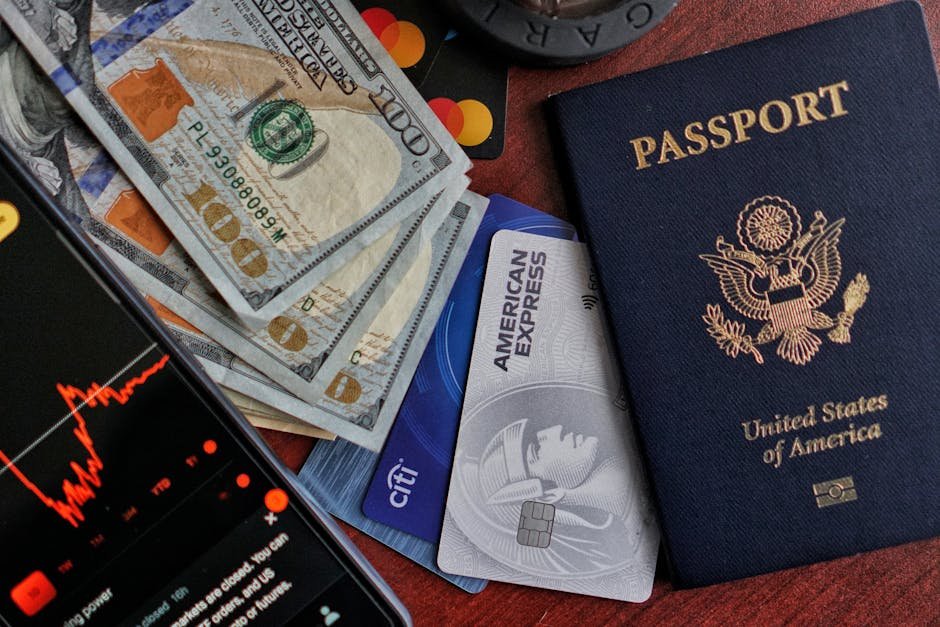
The Real Cost: Exorbitant Interest Rates and Data Privacy Risks
Let’s talk numbers, because that’s where the danger of illegal lenders truly lies. While registered financial institutions often cap their annual interest rates (for credit cards, for example, it’s typically around 36% per annum as set by the Bangko Sentral ng Pilipinas or BSP), unregistered apps can charge as much as 10% to 20% *per day*. Imagine borrowing ₱5,000 and owing ₱1,000 in interest in just one day! This is how people get trapped in a debt cycle that’s almost impossible to escape.
Beyond the financial burden, your personal data is also at risk. These apps often require access to your contacts, photos, and messages. If you default, they can use this information to harass you, your family, and your friends, which is a gross violation of your privacy. The SEC’s warnings are a stark reminder that the convenience of a quick online loan can come at a very high price if you’re not careful.
Pro Tip: Always look for a lender’s SEC registration number on their website or app. You can verify this on the official SEC website. If they don’t have one, walk away.
Navigating Legitimate Loan Options in the Philippines
So, if these illegal lenders are being cracked down upon, where can you turn when you need quick pera? Fortunately, the Philippines has a growing number of legitimate financial institutions offering various loan products. Banks like BPI, Metrobank, and BDO offer personal loans with transparent terms. For instance, a personal loan from BPI might range from ₱20,000 to ₱1,000,000 with interest rates that could start around 1.25% per month, depending on your creditworthiness and loan term.
Government financial institutions also provide accessible credit. SSS and Pag-IBIG members can apply for salary loans with very reasonable rates. A Pag-IBIG Regular Housing Loan, for example, can have rates as low as 3% per annum for loan amounts up to ₱6,000,000. These options are regulated and offer a much safer path to borrowing.
When considering a loan, always ask about the Annual Percentage Rate (APR), which includes all fees and charges, not just the interest rate. This gives you a clearer picture of the total cost of borrowing. Comparing loan offers is key to finding the best deal for your needs.
How to Protect Yourself: Key Steps for Borrowers
The SEC’s efforts to combat illegal lenders are a significant step, but ultimately, your vigilance is your best defense. The first and most crucial step is to always verify a lender’s registration with the SEC. A legitimate lending company will have a certificate of authority from the SEC, and they’ll be happy to provide you with their registration number.
Secondly, understand that if a loan offer seems too good to be true, it probably is. Unsolicited loan offers via SMS or social media, especially those promising instant approval with no requirements, are often red flags for predatory schemes. If you need a loan, proactively seek out established banks or SEC-registered lending institutions. You can explore options like personal loans in the Philippines from reputable providers.
Finally, know your rights as a borrower. Familiarize yourself with the laws regarding interest rates and debt collection. The Philippine Competition Commission (PCC) also monitors anti-competitive practices in the lending industry. If you encounter any suspicious activity or feel you are being exploited, report it to the SEC immediately.
Loan Comparison: Legitimate vs. Unregistered Lenders (Illustrative)
| Feature | SEC-Registered Lender (e.g., Bank) | Unregistered Online Lender |
|---|---|---|
| Interest Rate (Example for ₱10,000 loan for 30 days) | ₱800 – ₱1,500 (approx. 10-18% per month) | ₱2,000 – ₱5,000+ (20-100%+ per month) |
| Transparency | High; clear terms, fees, and APR. | Low; hidden fees, vague terms. |
| Data Privacy | Compliant with Data Privacy Act. | High risk of misuse and harassment. |
| Regulatory Oversight | Yes (SEC, BSP, etc.) | None. |
Frequently Asked Questions
Is it safe to apply for loans from companies involved in the sec cracks down on illegal lenders?
No, it is not safe to apply for loans from companies that are part of the SEC’s crackdown on illegal lenders. These are unregistered entities that operate outside the law, putting you at risk of exorbitant interest rates, abusive collection practices, and data privacy violations. Always ensure any lender you consider is registered with the SEC.
Can I get a personal loan without a payslip in the Philippines?
Yes, it’s possible to get a personal loan without a payslip in the Philippines, but it typically requires alternative forms of proof of income. This could include bank statements, business registration documents, or other financial records. Some lenders may also consider your credit history more heavily. However, options might be more limited, and interest rates could be higher compared to those with verifiable payslips.
How fast can I get approved for a loan from a legitimate lender in the Philippines?
The approval speed for loans from legitimate lenders in the Philippines varies. For traditional bank loans, it can take anywhere from 1 to 7 business days, depending on the complexity of your application and the bank’s processing times. Some digital banks and SEC-registered online lending platforms, however, can offer approvals within hours, especially for smaller loan amounts, provided you meet all their requirements and have a good credit standing.
Before You Apply — Check Your Credit Score for FREE
Don’t get rejected. Know your CIC credit score first with Credit Kaagapay — 100% free, no hidden fees.
Disclaimer: Always verify loan terms directly with the lender. Check that any lending company is registered with the SEC before applying. Rates and requirements may change — this guide was last updated April 2026.



Jolene561
https://shorturl.fm/Y68rQ
Christine4136
https://shorturl.fm/oM4vF