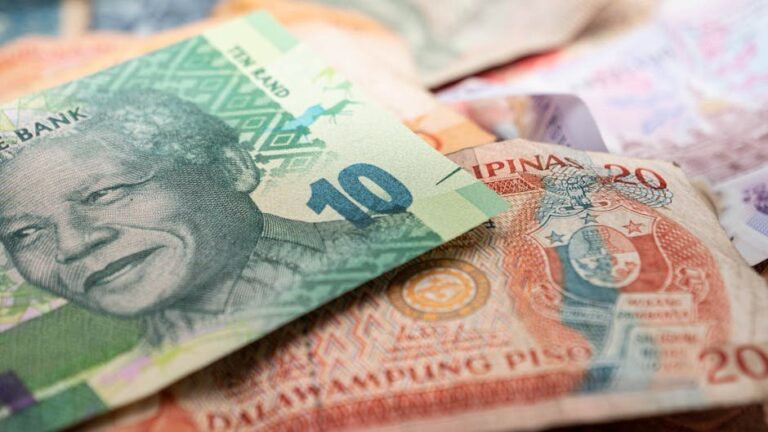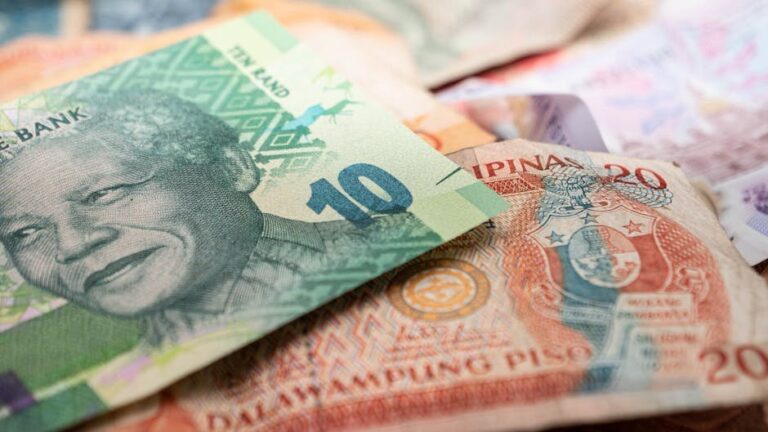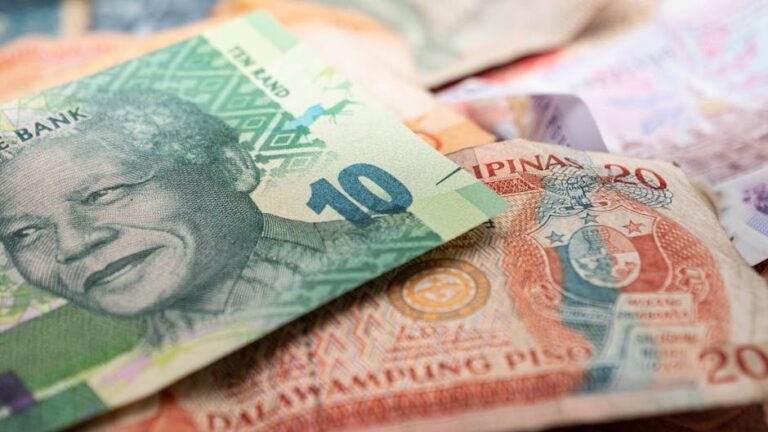


Kumusta, Kaagapay! Last month, my cousin was stressing over his home loan application, worried that interest rates might suddenly jump. Then came the news: the Bangko Sentral ng Pilipinas (BSP) decided to maintain its benchmark interest rate at 6.50%. This crucial bsp rate pause is a big deal for anyone thinking about borrowing pera here in the Philippines.
By Zia Tan, Philippines Fintech Industry Analyst at Credit Kaagapay
Updated April 2026
Key Takeaways
- The BSP kept its policy rate at 6.50% in April 2026, signaling stability amid easing inflation but persistent global headwinds.
- This bsp rate pause means current loan interest rates from banks are likely to remain stable in the short term, not immediately increasing or decreasing significantly.
- Borrowers with variable-rate loans might see their payments stabilize, while those planning new loans can expect more predictable interest costs.
- A strong credit score is more critical than ever to secure favorable terms, even when rates are steady.
- Always compare loan offers from multiple banks and lenders to find the best deal for your financial situation.
Understanding the BSP Rate Pause in the Philippines
During its latest Monetary Board meeting, the Bangko Sentral ng Pilipinas announced its decision to maintain the benchmark interest rate at 6.50%. This move, as reported by the BSP, reflects a careful balance between ensuring price stability and supporting the country’s economic growth.
The central bank noted a moderation in inflation figures, which is good news for our purchasing power. However, they also highlighted ongoing global economic headwinds, meaning things outside our country could still impact us.
Pro Tip: Think of the BSP’s benchmark rate as the ‘cost of money’ for banks. When it’s stable, banks have a clearer picture of their own borrowing costs, which then influences the rates they offer you, the consumer.
This decision effectively puts a temporary hold on further rate hikes, which we’ve seen quite a bit of in the past year. For you, the Filipino borrower, this stability can be a welcome change after periods of uncertainty.
How the BSP Rate Pause Impacts Your Loans and Borrowing Costs
So, what does this bsp rate pause really mean for your day-to-day finances and future borrowing plans? Let’s break it down for different types of loans:
1. Personal Loans and Credit Cards
If you’re looking for a personal loan, this pause means you might not see immediate drastic changes in interest rates. Many personal loan providers, like UnionBank or Security Bank, base their rates on the prevailing market conditions influenced by the BSP’s policy rate.
For instance, current personal loan add-on rates from major banks (as of April 2026) can range from 1.5% to 3% per month, translating to an effective annual interest rate (EIR) of 18-36%. With the BSP rate stable, these rates are likely to hold steady, offering a predictable borrowing environment.
Credit card interest rates, which are typically capped by the BSP (currently at 3% monthly effective interest rate as per BSP Memorandum No. M-2022-040), will also remain unaffected by this pause. This means no sudden increase in your credit card charges, which is a relief for many.
2. Housing Loans and Car Loans
For big-ticket items like homes and cars, the BSP’s decision is particularly significant. Housing loan rates from banks like BDO, BPI, and Metrobank, especially for fixed-rate periods (e.g., 1 to 5 years), often hover around 7% to 8.5% per annum as of early 2026.
A stable BSP rate means these rates are less likely to climb further in the immediate future, which is good news if you’re planning to buy a house or a new vehicle soon. It allows you to plan your budget with more certainty regarding your monthly amortizations.
However, remember that while the benchmark rate is stable, individual bank rates can still vary based on their own funding costs and risk assessments. Always compare offers!
Comparing Loan Options Amidst the Rate Stability
Even with the BSP holding rates, it’s crucial to shop around. Different banks will always offer slightly different rates and terms. Here’s a quick look at typical personal loan rates you might encounter (as of April 2026, for illustrative purposes):
| Lender | Typical Monthly Add-on Rate (APR 2026) | Estimated Effective Annual Rate (EIR) | Minimum Loan Amount |
|---|---|---|---|
| UnionBank Personal Loan | 1.5% – 2.5% | ~18% – 30% | ₱10,000 |
| Security Bank Personal Loan | 1.8% – 2.8% | ~21% – 34% | ₱30,000 |
| BPI Personal Loan | 1.6% – 2.6% | ~19% – 31% | ₱20,000 |
| CIMB Personal Loan | 1.2% – 2.0% | ~14% – 24% | ₱10,000 |
(Note: These are illustrative rates. Actual rates will depend on your creditworthiness and the lender’s current policies.)
Your Credit Score: Your Best Ally
No matter the BSP’s policy, your credit score remains paramount. A good credit score signals to lenders that you are a responsible borrower, making you eligible for better rates and higher loan amounts. Even with a stable BSP interest rate, lenders prioritize low-risk applicants.
Before applying for any loan, it’s always smart to check your credit score. Knowing where you stand can help you negotiate better terms or understand what you need to improve.

What Filipino Borrowers Should Know Moving Forward
While the bsp rate pause offers a moment of calm, it doesn’t mean you can relax your financial vigilance. Global economic factors can shift quickly, and the BSP will continue to monitor inflation and economic growth closely.
Here are your next steps:
- Monitor Your Finances: Keep an eye on your budget and debt. If you have variable-rate loans, understand that while stable now, they could change in the future.
- Improve Your Credit Standing: Pay bills on time, reduce existing debt, and avoid opening too many new credit accounts. This will always put you in a better position for any loan application.
- Compare and Choose Wisely: Never settle for the first loan offer. Use platforms like Credit Kaagapay to compare options from various lenders and find the one that best suits your needs. Be wary of online lending scams, especially when rates seem too good to be true.
This period of rate stability is an opportunity, not an excuse to be complacent. Use it to consolidate debt, plan for major purchases, or simply improve your financial health.
Frequently Asked Questions About Borrowing in the Philippines
How fast can I get approved for a loan in the Philippines?
Loan approval times vary significantly depending on the lender and the type of loan. Personal loans from major banks can take anywhere from 3 to 7 business days, provided all documents are complete. Online lenders might offer faster approvals, sometimes within 24-48 hours, especially for smaller amounts.
Can I get a loan without a credit check in the Philippines?
While some informal lenders might offer loans without a credit check, most legitimate banks and financial institutions in the Philippines conduct credit checks. This is a standard part of their risk assessment process. Relying on no-credit-check loans can lead to extremely high interest rates and predatory terms. Building a good credit score is always the safer and more affordable path.
How much can I borrow with the bsp rate pause in effect?
The amount you can borrow is primarily determined by your income, existing debts, and credit report, not directly by the bsp rate pause. While the stable rate makes borrowing costs more predictable, lenders will assess your capacity to pay. Personal loan amounts can range from ₱10,000 to ₱2 million, depending on your eligibility and the lender’s policies.
Before You Apply — Check Your Credit Score for FREE
Don’t get rejected. Know your CIC credit score first with Credit Kaagapay — 100% free, no hidden fees.
Disclaimer: Always verify loan terms directly with the lender. Check that any lending company is registered with the SEC before applying. Rates and requirements may change — this guide was last updated April 2026.