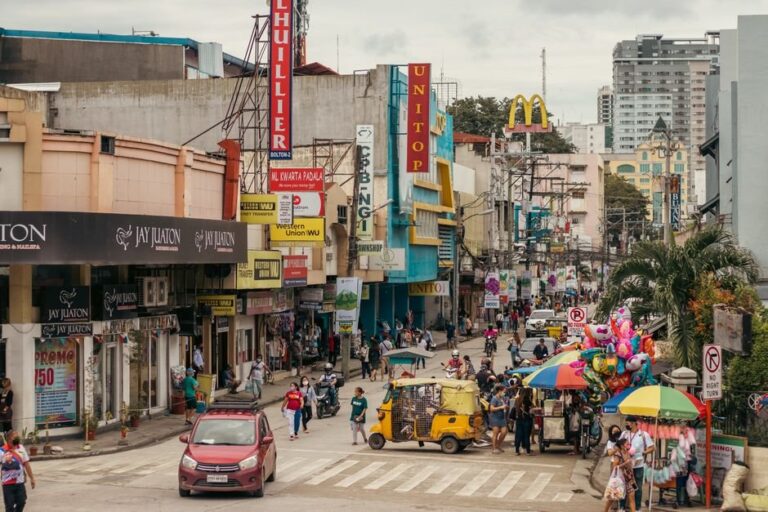


- The New Filipino Reality
- The Costs of Living Pressures Nowadays
- Why Millennials and Gen Z Prioritize Budgeting
- The Core Pillars of Smart BudgetingPractical
- Budgeting Strategies for 2026
- Tools and Apps That Help Filipinos Budget Better
- How To Stay Consistent Despite Rising Cost

The New Filipino Reality
The rising cost of living has become the defining financial challenge for today’s Filipino Millennials and Gen Z. Groceries, rent, transportation, utilities, and even small everyday expenses have climbed faster than most salaries. As a result, nearly half of young Filipino adults now live paycheck to paycheck, struggling to stretch their income until the next cutoff.
This reality has pushed “Cost of Living & Budgeting” to the top of their financial priorities. What used to be simple monthly planning has now become a survival skill—essential for anyone trying to stay afloat, reduce stress, and secure better financial stability in the long term.
The Cost-of-Living Pressures Facing Filipinos Today
Budgeting has become non-negotiable because the economic pressures are real, persistent, and often overwhelming.
1. Inflation That Outpaces Salary Growth
While salaries have grown modestly in the past decade, inflation—especially food, transport, and utilities—has outpaced income for most workers. Everyday items like rice, vegetables, canned goods, and cooking oil continue to increase in price, squeezing household budgets.
For employees whose salaries have remained stagnant, the math simply no longer adds up. You earn the same, but spend more—and your paycheck doesn’t stretch the way it used to.

2. Housing and Rent Are Becoming Unaffordable
Metro Manila remains one of the most expensive cities in Southeast Asia when compared to average wages. Rent consumes 30–50% of income for many young adults, especially those living independently or supporting family members.
Even shared apartments or bedspaces have significantly increased in price, forcing many to reconsider living arrangements or move farther away from workplaces.

3. Rising Transportation Costs
Whether commuting daily or using ride-hailing apps occasionally, Filipinos feel the burden of rising fares and fluctuating fuel prices. Work-from-home arrangements provide relief, but hybrid setups still require budgeting for weekly transport costs.
4. Food and Groceries Strain Monthly Budgets
Groceries consistently take up the largest portion of most household budgets. Families cut back on proteins, switch brands, or buy in bulk—yet still feel the financial pressure. Eating out has shifted from convenience to an occasional indulgence.

Why Millennials & Gen Z Now Prioritize Budgeting
1. Almost Half Live Paycheck to Paycheck
Recent studies show that 40–50% of Millennials and Gen Z struggle to save because their income is immediately consumed by essential expenses. This financial fragility creates stress, limits opportunities, and increases reliance on credit during emergencies.
2. Growing Financial Anxiety
Young adults today face economic challenges their parents did not encounter at the same age:
- Higher cost of living
- Limited affordable housing
- Slower salary growth
- Unpredictable economic trends
This fuels anxiety around survival, future security, and financial independence.

3. Delayed Life Milestones
Because the cost of living is so high, many Filipinos delay major milestones such as:
- Building a family
- Buying a home
- Starting a business
- Saving for retirement
Budgeting becomes essential not only to survive but also to eventually reach these long-term goals.
The Core Pillars of Smart Budgeting for Filipinos
To stay afloat amid rising costs, young Filipinos need budgeting habits that are simple, flexible, and realistic.
1. Track Your Spending Ruthlessly.
You can’t fix what you can’t see. Tracking helps identify:
- leakages (e.g., unnecessary subscriptions)
- overspending categories
- lifestyle habits that quietly drain the wallet
Even a simple notes app or spreadsheet can make a dramatic difference.

2. Separate Essentials from Lifestyle Spending.
Split expenses into:
Essentials:
Rent, groceries, transportation, utilities, school or work expenses.
Lifestyle:
Dining out, travel, shopping, hobbies, entertainment.
Recognizing the difference helps you adjust based on your financial situation.
3. Build an Emergency Fund Slowly but Consistently.
Even ₱20–₱50 a day matter. Over time, consistent small savings accumulate into meaningful protection from unexpected events.
4. Prioritize Paying Down High-Interest Debt
Loans with high interest (especially informal or unregulated digital lenders) make budgeting much harder. Paying these down frees up cash and reduces long-term financial stress. Download the Credit Kaagapay app to track your credit score and check if you are eligible for loans.

Tools & Apps That Help Filipinos Budget Better
Filipinos increasingly rely on digital tools to manage money effectively:
- Spreadsheets (Google Sheets templates)
- Mobile wallets that give spending history
- MSME finance apps for monitoring income
- Pay-later apps with transparent billing cycle reminders
- Budget planners available in Notion or Canva
Technology helps create structure—something crucial when income is tight.
How to Stay Consistent with Your Budget Despite Rising Costs
1. Review Your Budget Monthly
Prices change—your budget should, too.
2. Make Gradual Adjustments, Not Drastic Cuts
Drastic budgeting rarely lasts. Gentle lifestyle adjustments are more sustainable.
3. Build Habits, Not Restrictions
Budgeting is not punishment. It is empowerment. It allows you to:
- Stay in control
- Prepare for emergencies
- Reduce stress
- Plan for milestones
4. Keep Your Why Clear
Budgeting is easier when tied to a meaningful goal:
- “I want to stop living paycheck to paycheck.”
- “I want to help my parents.”
- “I want to build savings.”
Your “why” becomes your anchor.

TOP 3 Q&As
1. Why do so many Millennials and Gen Z Filipinos live paycheck to paycheck?
High inflation, slow wage growth, and rising living costs mean salaries no longer match basic expenses. Housing, transportation, and food take a large portion of income, leaving little room for savings.
2. What is the most effective budgeting method for young Filipinos today?
The modified 50-30-20 rule (60-20-20) is the most realistic under current cost-of-living conditions. It accounts for higher essential spending while still promoting savings and responsible financial habits.
3. How can I start budgeting if my income is barely enough?
Start small: track expenses, separate needs vs. wants, build a tiny emergency fund, and cut one or two lifestyle expenses—not everything. Consistency matters more than the amount saved.
📚 Want the complete picture? Read our comprehensive guide: The Ultimate Guide to Credit Scores in the Philippines (2026) — covering everything from how CIC works to proven strategies for improving your score.
nn